





Suspension

Felipe Massa, Ferrari F138 with pullrod suspension
The suspension is the mechanical linkage that connects the wheels of a Formula 1 car to its chassis, transferring load and controlling how the tyre stays in contact with the road. Modern F1 uses double-wishbone geometry with pushrod or pullrod actuation, torsion-bar springs, and heavily integrated aerodynamic surfaces. It is one of the few areas of the car where mechanical engineering still leads the aerodynamic story.
What is the suspension in F1?
The F1 suspension is the sprung, damped linkage system that ties each wheel to the chassis. It controls the vertical, lateral and longitudinal motions of the wheels while the car is racing, and it determines how the tyre loads and unloads through kerbs, bumps and lateral cornering. Active suspension has been banned since 1994, so every element of the modern system is passive.
Core suspension components
- Wishbones: upper and lower A-arms holding the wheel in place;
- Pushrod or pullrod: connects the wheel motion to the inboard springs and dampers;
- Torsion bars: the primary spring elements on modern F1 cars;
- Dampers: control the rate at which spring energy dissipates;
- Anti-roll bars: resist lateral roll under cornering;
- Heave dampers and third elements: control front-to-rear pitch behaviour.
Pushrod versus pullrod
Pushrod suspension pushes on the inboard spring elements from below the wheel; pullrod suspension pulls on them from above. Both are used in F1, and teams switch between them based on packaging and aerodynamic priorities. Ferrari famously popularised front pushrod suspension in the late 2010s before returning to pullrod for the 2022 rules cycle.
Suspension and aerodynamics
Since the 2022 ground-effect rules made the underfloor central to downforce production, suspension geometry has become an aerodynamic tool. Anti-dive and anti-squat characteristics keep the floor at its target ride height under braking and acceleration, protecting downforce consistency. That is why 2022-onwards front suspension arms are angled sharply upward, producing anti-dive that would look extreme by pre-2022 standards.
Latest suspension news
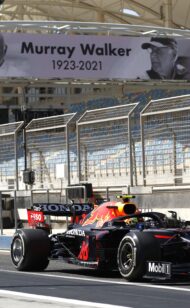
Marko denies Red Bull new suspension for this weekend

Racing Point already using 2020 Mercedes suspension
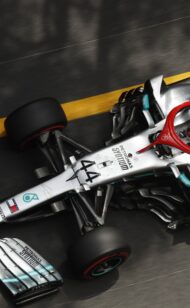
How does suspension work on a Formula One car?
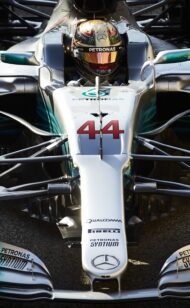
Report: Mercedes wants active suspension return

Red Bull plays down 'trick' steering ban

Newey denies 'new' Red Bull in Spain

Horner: Mercedes 'not too far ahead'

Verstappen: Suspension not reason for Red Bull struggle
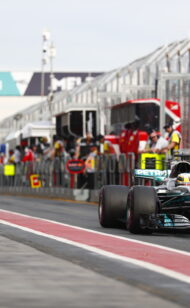
Mercedes removes trick suspension voluntarily
Frequently asked questions about F1 suspension
What kind of suspension does an F1 car use?
Modern F1 cars use double-wishbone suspension with pushrod or pullrod actuation, torsion-bar springs and heavily integrated aerodynamic surfaces.
Is active suspension allowed in F1?
No. Active suspension has been banned since 1994. All current systems are passive.
What is the difference between pushrod and pullrod?
Pushrod pushes on the inboard springs from below the wheel. Pullrod pulls on them from above. Both are used depending on packaging and aerodynamic priorities.
Why has suspension become an aerodynamic tool since 2022?
Because ground-effect downforce is highly sensitive to ride height. Anti-dive and anti-squat geometry keep the floor at its target height and protect downforce.
Can teams change suspension setup during a race weekend?
Yes, until qualifying starts. Once the car leaves the pit lane in Q1 parc ferme applies and suspension setup is locked.
Last updated:


LAST 3 F1 Fan COMMENTS

Shroppyfly on Camara returns for second Haas outing this weekend3 hours ago 
Jere Jyrälä on F1 makers back V8 return but 2030 start at risk4 hours ago 
Jere Jyrälä on Camara returns for second Haas outing this weekend4 hours ago
All F1 Fan Comments