





Drag
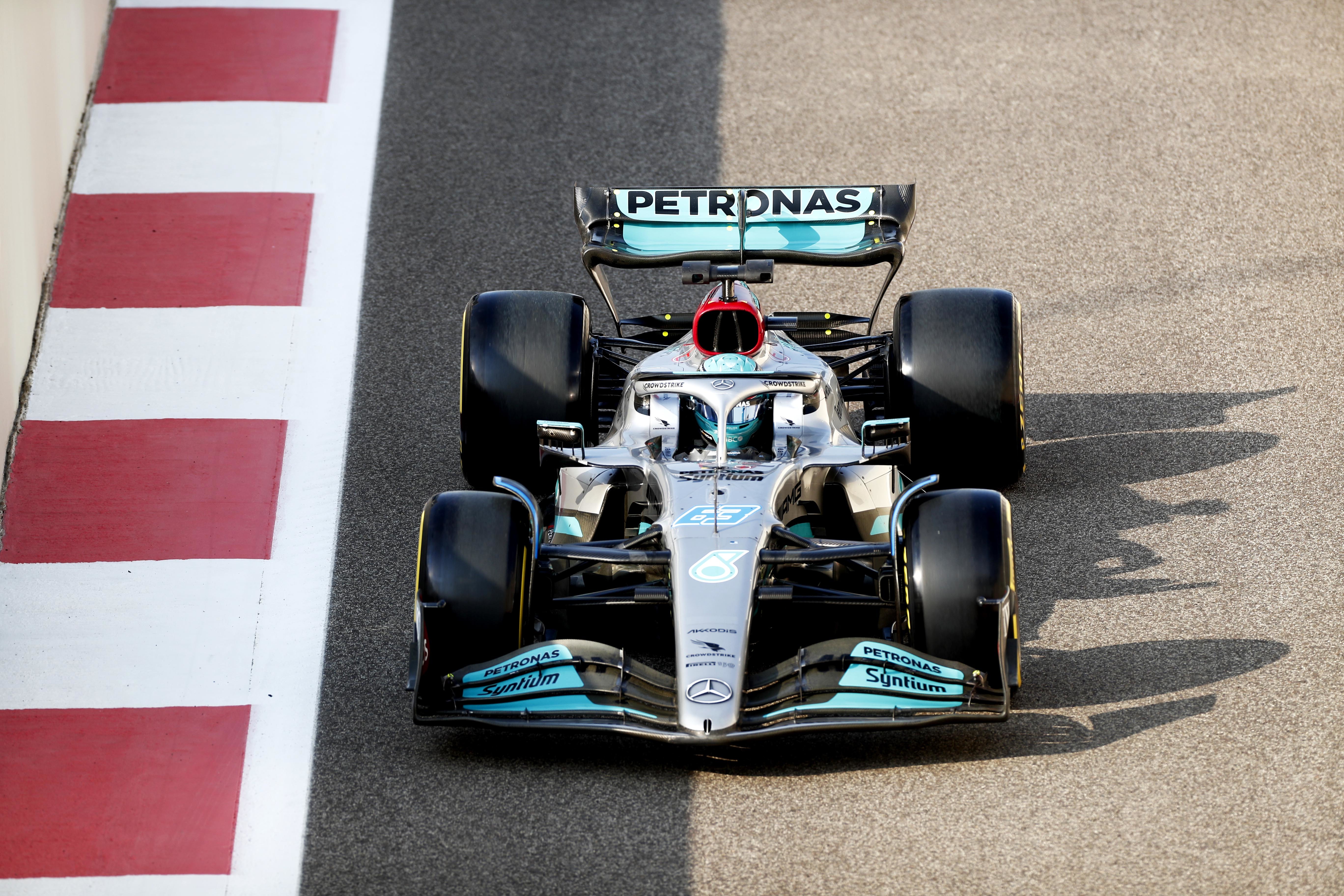
Drag is the price a Formula 1 car pays to push through the air, and it defines top speed.
Drag is the aerodynamic resistance a Formula 1 car meets as it pushes through the air. It rises with the square of speed, which is why straight-line pace is disproportionately sensitive to how slippery the car is. Every wing element and every duct on the bodywork produces some useful effect and some unavoidable drag, and the job of the aerodynamicist is to buy each unit of downforce with as little drag as possible.
What is drag in Formula 1?
Drag is the sum of pressure and friction forces acting against the direction of travel. Pressure drag comes from the way air stacks up in front of the car and separates behind it. Friction drag comes from the boundary layer scrubbing along every square centimetre of bodywork. Together they set the maximum speed the car can reach with a given amount of engine power.
Where drag comes from on an F1 car
- Front and rear wings: the biggest single generators of both downforce and drag;
- Wheels and tyres: historically some of the largest drag sources on any open-wheeled car;
- Cooling inlets and exits: every duct is an unavoidable drag element;
- Underfloor: the shaped floor produces some drag as well as downforce;
- Driver helmet and cockpit surround: smaller but not negligible.
Drag versus downforce: the eternal compromise
Every F1 setup is a balance between drag and downforce, tuned per circuit. Skinny rear wings at Monza deliver low drag at the cost of downforce and are chosen because the long straights reward high top speeds. High-downforce wings at Monaco cost top speed but pay off through the twisty middle sector. Engineers describe the ratio of the two as aero efficiency, and improving it is the single highest-value target in the wind tunnel.
DRS and drag reduction
From 2011 to 2025, F1 provided drivers with a mechanical way to reduce drag on demand: the Drag Reduction System, or DRS, which opened a flap in the rear wing on designated parts of the circuit. Opening the flap reduced surface area and drag, giving a following driver within a second of the car ahead a targeted speed boost of about 10 to 12 km/h. The 2026 regulations remove DRS and replace it with a fully active-aero system that switches between low-drag X-Mode and high-downforce Z-Mode.
Frequently asked questions about drag
What is drag in Formula 1?
Drag is the aerodynamic resistance a car meets as it pushes through the air. It rises with the square of speed and directly limits top speed.
What causes drag on an F1 car?
Wings, wheels and tyres, cooling ducts, the shaped underfloor and even the driver's helmet all contribute. Wings and open wheels are the biggest sources.
Why does drag matter for downforce?
Every unit of downforce comes with a drag penalty. Engineers work to improve the downforce-to-drag ratio, or aero efficiency, so the car produces more grip for the same top-speed cost.
How does DRS reduce drag?
DRS opens a flap on the rear wing when the driver is within a second of the car ahead, reducing surface area and drag. The FIA estimates the effect at around 10 to 12 km/h by the end of an activation zone.
Will DRS still exist in 2026?
No. The 2026 technical regulations remove DRS and replace it with fully active aerodynamics. Cars run a low-drag X-Mode on the straights and a high-downforce Z-Mode through the corners.







LAST 3 F1 Fan COMMENTS

Shroppyfly on Hadjar targets Monza return as Red Bull delays wrist decision11 hours ago 
Jere Jyrälä on Hadjar targets Monza return as Red Bull delays wrist decision15 hours ago 
Shroppyfly on Vowles Admits Williams Is Still Paying for Winter Mistakes22 hours ago
All F1 Fan Comments