




Power unit
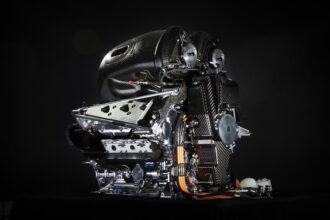
The power unit of the Mercedes-Benz F1 W07 Hybrid
The Formula 1 power unit is the six-element hybrid drivetrain that has replaced the traditional word "engine" since the current regulations came in for 2014. It combines a 1.6-litre turbocharged V6 with two electric motor-generators, an energy store, a turbocharger and an exhaust system, and each of those six components is homologated and counted against a per-season allowance.
What is a power unit in F1?
Under the current regulations the power unit is the whole propulsion package of an F1 car. It contains the internal combustion engine (ICE), the MGU-K, the MGU-H, the turbocharger (TC), the Energy Store (ES) and the exhaust (EX). Together they produce more than 1000 combined horsepower at a thermal efficiency of over 50 per cent, higher than any road-car engine.
The six numbered elements
- ICE: the 1.6-litre V6 turbo, spinning up to 15,000 rpm;
- Turbocharger: a single unit mounted between the cylinder banks;
- MGU-H: the exhaust-energy harvester on the turbo shaft;
- MGU-K: the braking-energy harvester on the crankshaft;
- ES: the lithium-ion Energy Store buffering electrical energy;
- EX: the exhaust system routing gases from the ICE to the tailpipe.
Each driver has a fixed number of each element they can use per season. Any component change over the allowance brings a grid-place penalty.
Efficiency and power split
Under the 2014 to 2025 rules, the ICE contributes roughly 850 to 900 horsepower and the electrical system a maximum of 160 horsepower (120 kW), giving a combined peak of more than 1000 horsepower. Thermal efficiency of the ICE has reached over 50 per cent, thanks in large part to the MGU-H, and the fuel-flow cap of 100 kg per hour forces every manufacturer to chase efficiency rather than raw combustion power.
The 2026 rewrite
The 2026 regulations keep the 1.6-litre V6 turbo but drop the MGU-H, greatly expand the MGU-K to around 350 kW, and require sustainable fuels. The electrical contribution grows to roughly half of a lap's total power. The ADUO (Additional Development and Upgrade Opportunities) system gives trailing manufacturers structured catch-up windows.
Latest power-unit news

Wolff still weighing where Russell takes engine penalty
1
FIA grants no new engine concessions in second ADUO review

Alonso encouraged by Aston chassis, not Honda engine

Ralf Schumacher warns Audi needs F1 results soon

Honda Reveals Spec 2 Power Unit Ahead of Zandvoort
2
Newey: Honda Bond Grows Stronger After Disastrous Start
Audi Banks Big Engine Upgrade for 2027
2
Honda says strained Aston relationship 'better and better'
1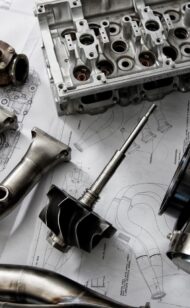
How many horsepower does a Formula 1 car have?
Frequently asked questions about the F1 power unit
What is an F1 power unit?
The power unit is the full six-element hybrid propulsion package of a modern F1 car, containing the ICE, turbocharger, MGU-H, MGU-K, Energy Store and exhaust system.
How many power-unit elements can a driver use in a season?
Each of the six element types has its own season allowance. Exceeding the allowance triggers grid penalties.
How much power does an F1 power unit produce?
Combined output exceeds 1000 horsepower on the current rules, with the ICE contributing roughly 850 to 900 hp and the hybrid system up to 120 kW of extra deployment.
How efficient is an F1 engine?
Thermal efficiency of the ICE has reached over 50 per cent, which is higher than any modern road-car engine and remarkable for a racing application.
What changes for the power unit in 2026?
The MGU-H is removed, the MGU-K roughly triples in power, the Energy Store grows, and sustainable fuels become mandatory. Electrical output rises to about half the lap's total power.
Last updated: