





Clean air
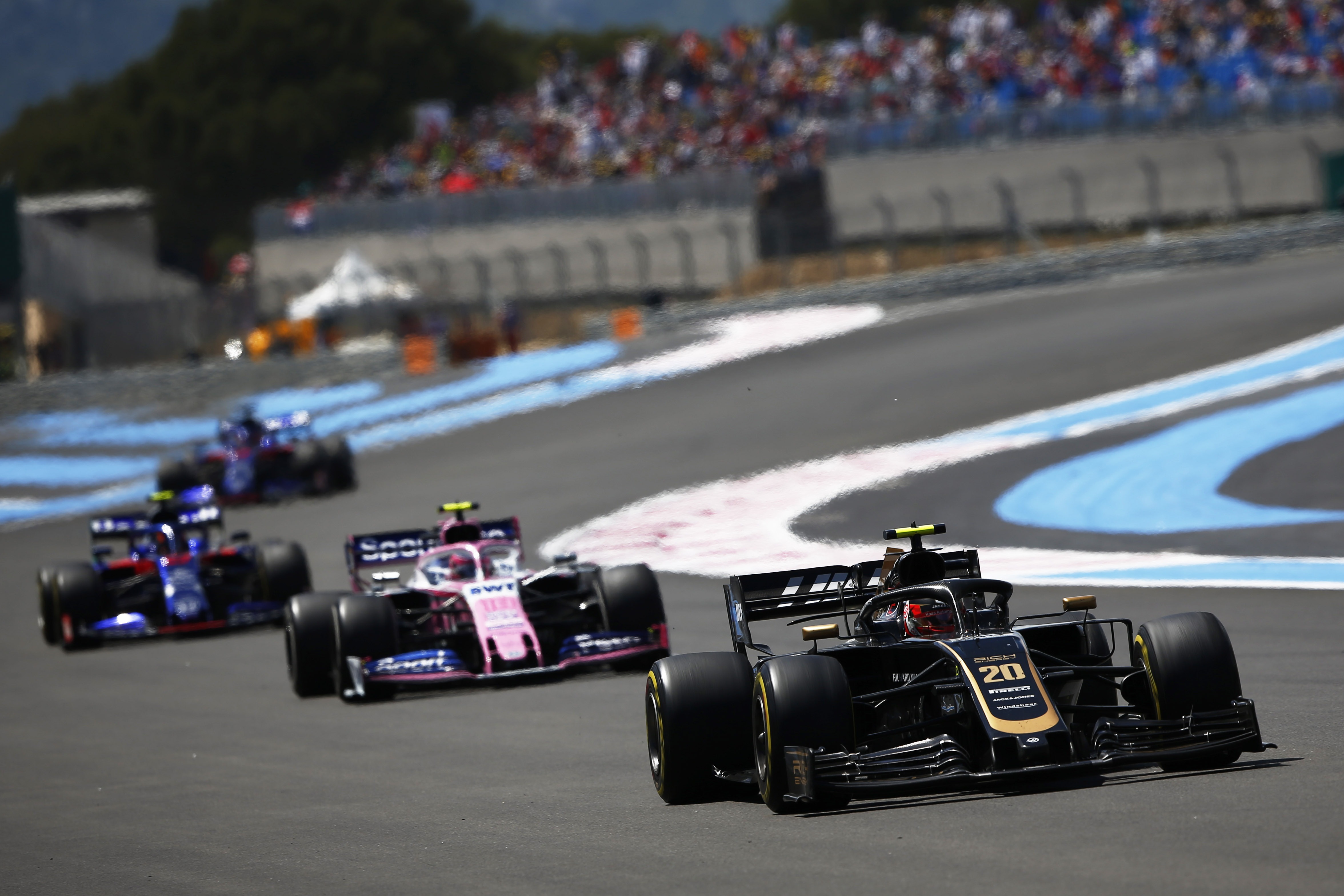
Clean air is the fastest air in the sport, and the driver who reaches it first usually reaches the flag first.
Clean air is the smooth, undisturbed airflow a Formula 1 car meets when nothing is running immediately ahead of it. It is the aerodynamic condition every set-up is optimised around, and it makes such a big difference to lap time that a driver in clean air can often keep pace with a materially faster car stuck behind traffic. Track position in modern F1 is, more than anything, a fight for who gets to run in it.
What does clean air mean in Formula 1?
Clean air describes the airflow entering a car's front wing when there is no significant wake from another car ahead. The flow is close to the free-stream velocity, arrives at the correct angle, and lets the front wing, floor, sidepods and rear wing all operate at their design conditions. The car generates the downforce it was designed for, cools normally, and can be driven on the ideal line.
Why clean air is worth so much lap time
An F1 car sitting in another car's dirty wake loses downforce quickly. Estimates over the last decade have run from roughly 35 per cent lost at one car length before the 2022 rules, to below 20 per cent under the current ground-effect regulations. Even the improved number is enough to compromise every corner in the following stint. In clean air, a driver can hit their apex, use full commitment on the exit, and preserve their tyres over a longer stint.
Clean air, dirty air and the 2022 rewrite
The dirty-air problem was the single most cited reason for the 2022 technical regulations. F1 wanted to make it possible for a chasing car to sit within a second of the car ahead without shredding its own aerodynamic performance. Ground-effect floors, simplified upper bodywork and the removal of bargeboards were the technical answer. The rewrite worked partially: cars can now follow closer than they could in 2021, but clean air is still the fastest place on the road.
Strategy: winning by finding clean air
Race engineers watch clean-air gaps as closely as they watch pit windows. A driver who cannot pass on track will often be brought in for an early stop to jump the car ahead through the undercut, on the basis that a few laps in clean air on fresh tyres is worth more than a longer stint chasing another car's gearbox. Safety Car and Virtual Safety Car neutralisations rewrite the map completely: a driver who was stuck behind traffic can suddenly find themselves in clear air after a restart, and lap times drop accordingly.
Frequently asked questions about clean air
What is clean air in Formula 1?
Clean air is smooth, undisturbed airflow reaching a car's front wing with no significant wake from another car ahead. It lets the aerodynamic package operate at its design condition.
How much lap time does clean air add?
The exact figure varies by circuit and car, but a stint in clean air on similar tyre life is typically several tenths a lap faster than a stint spent trying to follow closely.
Why is dirty air such a problem in F1?
The wake of a leading car reduces the downforce a following car can generate, sometimes by more than a third under the old rules. That loss compromises corner speed, tyre wear and cooling.
Did the 2022 rules solve dirty air?
The 2022 ground-effect regulations improved dirty air significantly. Cars can now follow more closely without losing as much downforce, but clean air remains the fastest place to be.
How does strategy exploit clean air?
Teams often pit early to release a driver into clean air on fresh tyres, betting that a few laps of unimpeded pace will do more for track position than staying out behind a slower car.


LAST 3 F1 Fan COMMENTS

Shroppyfly on Lawson close to new Racing Bulls deal before Las Vegas1 hour ago 
Shroppyfly on Ralf Schumacher: Hamilton still not quick enough at Ferrari1 hour ago 
Shroppyfly on Piastri ends management deal with Webber after tough year1 hour ago
All F1 Fan Comments