





Bodywork
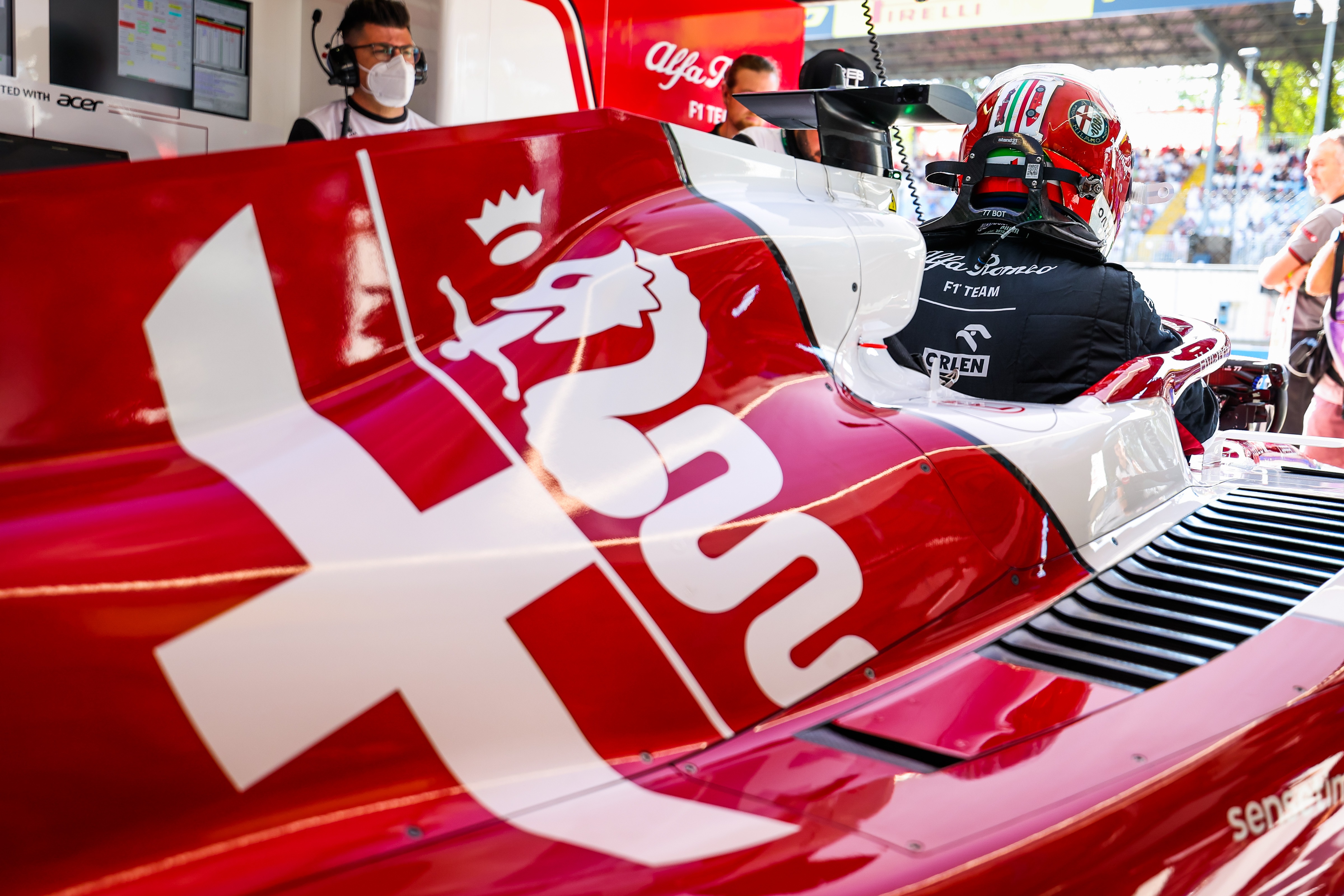
Every panel of an F1 car body is defined by geometric rules in Article 3 of the Technical Regulations.
The bodywork of a Formula 1 car is everything you can see from the outside that is not a wheel or a tyre. It shapes the airflow, houses the crash structures, feeds cooling to the engine and gearbox, and now, since 2022, is where most of the car's downforce is actually generated. Bodywork is not just cosmetic panelling: every surface is a decision that had to survive both the wind tunnel and the FIA Technical Regulations.
What counts as bodywork in F1?
The FIA Technical Regulations define bodywork as all parts of the car in contact with the external airstream, excluding those parts definitely associated with the mechanical functioning of the engine, transmission and running gear. In practical terms it covers the nose, the front wing, the sidepods, the engine cover, the rear wing assembly, the floor and diffuser, and all vanes, fences and ducts between them.
What bodywork does on a Formula 1 car
- Generates downforce: front wing, floor, diffuser and rear wing produce the vertical load that lets the car corner at high speed;
- Manages drag: smooth flow attachment along the sidepods and engine cover reduces the aerodynamic penalty of downforce production;
- Cools the car: intakes, ducts and exit openings feed air to radiators, brake ducts and the power unit;
- Protects the driver: the survival cell, halo, front and rear crash structures are integrated into the bodywork geometry;
- Carries branding: livery real estate is planned into the bodywork the moment the aerodynamic shape is signed off.
How bodywork is regulated
Article 3 of the FIA Formula 1 Technical Regulations spells out where bodywork may exist, in what volumes, and to what geometric tolerances. Every panel must fit inside a defined box, and many surfaces are further limited by curvature and continuity rules that prevent the shark-like appendages that used to define pre-2022 cars. Any part that comes off the car under load, whether through crash damage or by design, is treated as a bodywork failure and can carry a penalty.
How 2022 changed bodywork
The 2022 regulations simplified upper bodywork drastically. Bargeboards were removed, front wings became flatter with fewer elements, and sidepod concepts were opened up to allow the flow paths engineers wanted to feed the Venturi tunnels beneath the floor. The immediate result was a family of cars that looked more alike than F1 had shown in a decade, and one, Mercedes' zero-sidepod W13, that pushed the interpretation of the rules to its edge.
Frequently asked questions about F1 bodywork
What is bodywork in Formula 1?
Bodywork is every external part of the car in contact with the airstream that is not part of the mechanical drivetrain or running gear. It includes the nose, wings, sidepods, floor, diffuser and engine cover.
Which regulation defines F1 bodywork?
Article 3 of the FIA Formula 1 Technical Regulations governs bodywork. It sets geometric boxes, curvature limits and continuity rules that every panel must fit inside.
What does bodywork do on an F1 car?
Bodywork generates downforce, manages drag, feeds cooling air, protects the driver through integrated crash structures, and carries the team's livery.
How did 2022 change F1 bodywork?
The 2022 rules removed bargeboards, simplified front wings, and opened up the sidepod concept so teams could feed the new Venturi-tunnel floors. Downforce moved from the wings to the floor.
Can teams change bodywork during a race weekend?
Only within the parc-fermé rules once qualifying begins. Aero panels cannot be swapped unless Race Control declares a change in climatic conditions, in which case brake ducts, radiator ducts and pitot tube covers can be adjusted.









LAST 3 F1 Fan COMMENTS

Shroppyfly on Honda stops short of backing F1's V8 return7 hours ago 
Nobodysperfect on Honda stops short of backing F1's V8 return7 hours ago 
Shroppyfly on Red Bull stays quiet on Verstappen's new 80 million deal8 hours ago
All F1 Fan Comments