





Traction
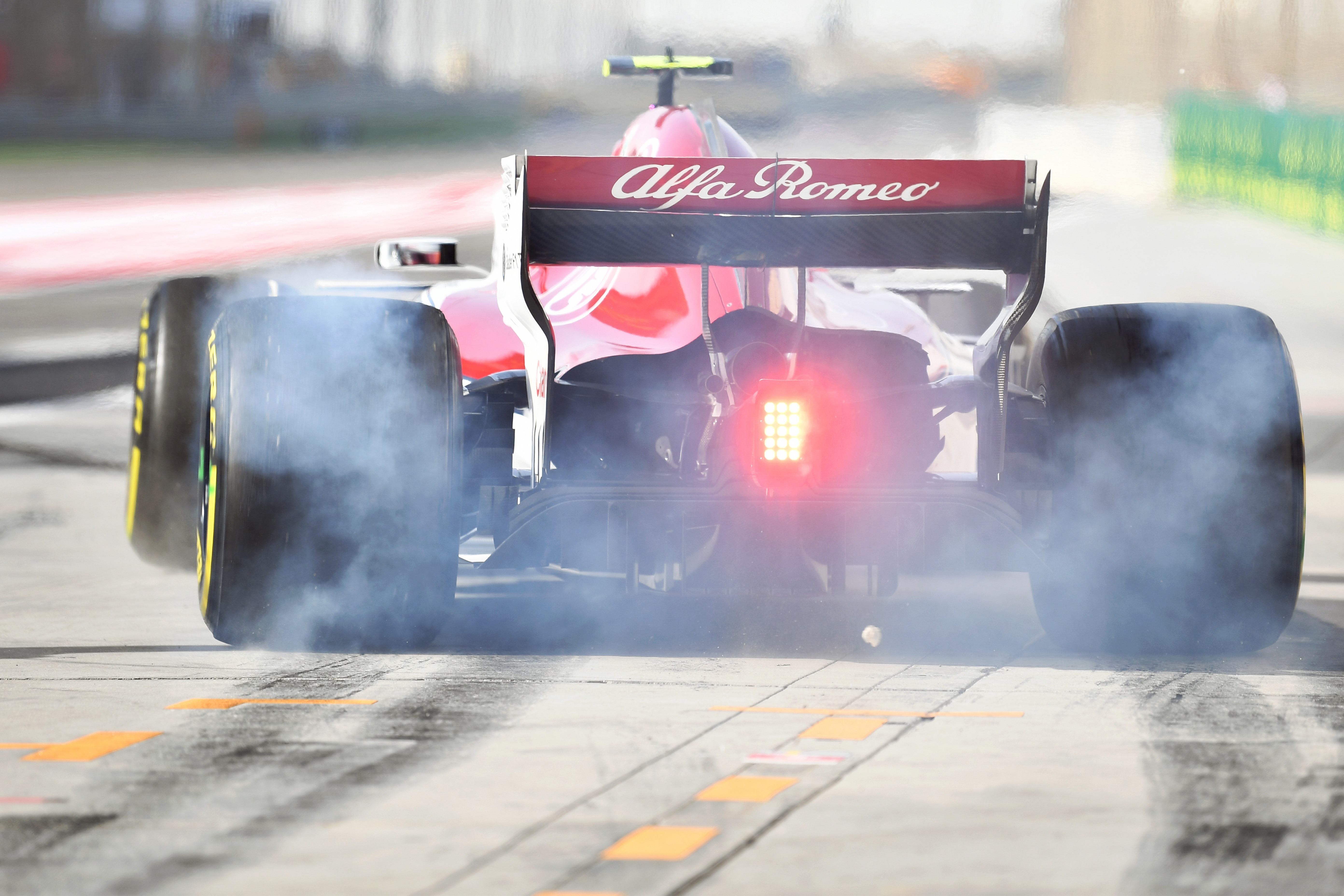
Charles Leclerc Sauber C37 burnout at Bahrain Grand Prix, Qualifying 2018.
Traction is the grip an F1 car's driven wheels have on the road as they try to accelerate. Without electronic traction control since 2008, it is entirely the driver's responsibility to manage the balance between throttle input and tyre grip on corner exit. Traction management is one of the biggest lap-time differentiators between top drivers.
What is traction in F1?
Traction is the friction between the driven tyres (the rears) and the road surface that transmits engine torque into forward acceleration. A car with excellent traction can apply full throttle earlier on corner exit; a car with poor traction has to feed the throttle in gradually to avoid wheelspin. On low-speed circuits like Singapore and Monaco, traction is often the number-one performance factor.
What affects traction
- rear tyre compound and temperature;
- rear downforce level and aero balance;
- differential settings, which shape the balance between locked and free rear wheels;
- throttle map calibration in the ECU;
- track surface abrasiveness and cleanliness;
- ambient temperature and track temperature.
Traction management without electronics
Since the 2008 ban on traction control, F1 drivers manage traction entirely with their right foot. A smooth throttle application at just below the wheelspin threshold produces the fastest exit. A driver who chases the throttle risks wheelspin, loss of lap time and premature tyre wear. Radio calls sometimes remind the driver to "look after the rears", a shorthand for pulling back on aggressive throttle application over a stint.
Traction and the differential
The rear differential setting is one of the most important traction-management tools available to the engineer. A more locked diff gives strong straight-line traction but hurts corner rotation. A more open diff gives better rotation but risks wheelspin on the inside rear tyre. Drivers switch differential settings between corner types during the race, using a rotary switch on the steering wheel.
Latest traction news
KERS for traction used by Red Bull

Lauda not convinced Red Bull system is legal
Vettel proud about Red Bull traction system

FIA backs Vettel amid of cheat claims

Vettel - Red Bull to further 'enhance' traction system
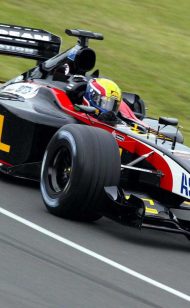
Vettel 'traction control' doubts raised by Minardi

Banned 'traction control' used by Red Bull?
Frequently asked questions about traction
What is traction in F1?
Traction is the grip between the driven rear tyres and the road that converts engine torque into forward acceleration.
Is traction control allowed in F1?
No. Traction control has been banned in F1 since 2008. Drivers manage traction entirely with their right foot.
What factors affect traction?
Rear tyre compound and temperature, rear downforce, differential settings, throttle mapping, track surface and ambient temperature.
Where does traction matter most in F1?
At low-speed circuits with many slow corners, like Singapore, Monaco and Baku, where corner exit dominates lap-time gains.
How does the differential affect traction?
A more locked differential improves straight-line traction but hurts corner rotation. A more open one improves rotation but risks wheelspin. Drivers switch settings by corner type.
Last updated:








LAST 3 F1 Fan COMMENTS

Shroppyfly on Honda stops short of backing F1's V8 return6 hours ago 
Nobodysperfect on Honda stops short of backing F1's V8 return7 hours ago 
Shroppyfly on Red Bull stays quiet on Verstappen's new 80 million deal7 hours ago
All F1 Fan Comments