






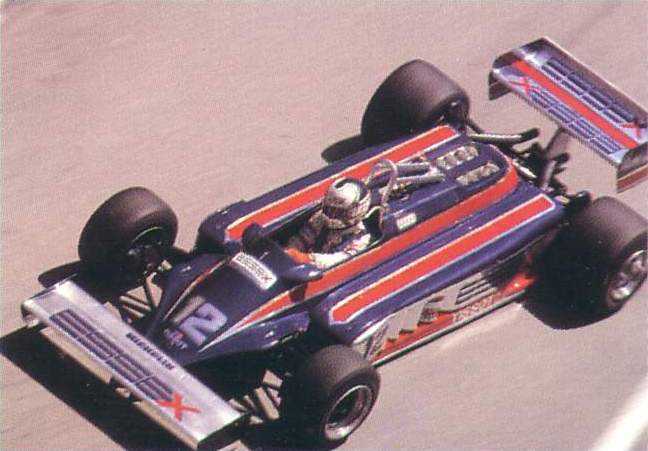

Nigel Mansell F1 Profile & Career Stats

Former Formula 1 Driver
Nigel Mansell
F1 career: 1980 - 1995
Driver Profile
| Country |  United Kingdom United Kingdom |
| Height | 1.80 meter / 5 feet 11 inch1.80 m / 5'11" |
| Place of Birth | Upton-upon-Severn |
| Date of Birth | Aug 8th 1953: 73 years old |
| Season Entries | 15 (1980–1992, 1994–1995) |
| Car Number | 7 |
Championship Titles
- 1992Williams52 clear of Riccardo Patrese
Full Career Statistics
| Drivers' Titles | 1 |
| Grand Prix Entries | 192 |
| Grand Prix Starts | 188 |
| Total Points | 482.00 |
| Avg. Points per GP | 2.51 |
| Grand Prix Wins | 31 (16,1%) |
| Wins from pole | 17 (8,9%) |
| Pole Positions | 32 (16,7%) |
| Front Row Starts | 56 (29,2%) |
| Avg. GP Grid | 6.3 |
| GP Podiums | 59 (30,7%) |
| GP Fastest Laps | 30 (15,6%) |
| GP Points Finish | 82 (42,7%) |
| Avg. GP Position | 3.9 |
| Hat-tricks | 5 (2,6%) |
| GP DNFs | 93 (48,4%) |
| Total GP Laps | 8.750 |
F1 Career Team History
Key Career Landmarks
Race 1980 Austrian F1 Grand Prix1980 AUT F1 GP 27 years, 9 days27y, 9d
 1995 Spanish F1 Grand Prix1995 ESP F1 GP 41 years, 279 days41y, 279d
1980 Austrian F1 Grand Prix1980 AUT F1 GP 27 years, 9 days27y, 9d1995 Spanish F1 Grand Prix1995 ESP F1 GP 41 years, 279 days41y, 279dPole 1984 Dallas F1 Grand Prix1984 USA F1 GP 30 years, 335 days30y, 335d
 1994 Australian F1 Grand Prix1994 AUS F1 GP 41 years, 97 days41y, 97d
1984 Dallas F1 Grand Prix1984 USA F1 GP 30 years, 335 days30y, 335d1994 Australian F1 Grand Prix1994 AUS F1 GP 41 years, 97 days41y, 97dWin 1985 European F1 Grand Prix1985 EUR F1 GP 32 years, 59 days32y, 59d1994 Australian F1 Grand Prix1994 AUS F1 GP 41 years, 97 days41y, 97d
1985 European F1 Grand Prix1985 EUR F1 GP 32 years, 59 days32y, 59d1994 Australian F1 Grand Prix1994 AUS F1 GP 41 years, 97 days41y, 97dPodium 1981 Belgian F1 Grand Prix1981 BEL F1 GP 27 years, 282 days27y, 282d1994 Australian F1 Grand Prix1994 AUS F1 GP 41 years, 97 days41y, 97d
1981 Belgian F1 Grand Prix1981 BEL F1 GP 27 years, 282 days27y, 282d1994 Australian F1 Grand Prix1994 AUS F1 GP 41 years, 97 days41y, 97dFastest lap1983 European F1 Grand Prix1983 EUR F1 GP 30 years, 48 days30y, 48d 1992 Japanese F1 Grand Prix1992 JPN F1 GP 39 years, 78 days39y, 78d
1983 European F1 Grand Prix1983 EUR F1 GP 30 years, 48 days30y, 48d1992 Japanese F1 Grand Prix1992 JPN F1 GP 39 years, 78 days39y, 78dPoints finish1981 Belgian F1 Grand Prix1981 BEL F1 GP 27 years, 282 days27y, 282d1994 Australian F1 Grand Prix1994 AUS F1 GP 41 years, 97 days41y, 97d
1981 Belgian F1 Grand Prix1981 BEL F1 GP 27 years, 282 days27y, 282d1994 Australian F1 Grand Prix1994 AUS F1 GP 41 years, 97 days41y, 97dWin from pole 1985 South African F1 Grand Prix1985 RSA F1 GP 32 years, 72 days32y, 72d1994 Australian F1 Grand Prix1994 AUS F1 GP 41 years, 97 days41y, 97d
1985 South African F1 Grand Prix1985 RSA F1 GP 32 years, 72 days32y, 72d1994 Australian F1 Grand Prix1994 AUS F1 GP 41 years, 97 days41y, 97dHat-trick1991 British F1 Grand Prix1991 GBR F1 GP 37 years, 340 days37y, 340d1992 British F1 Grand Prix1992 GBR F1 GP 38 years, 339 days38y, 339d
1991 British F1 Grand Prix1991 GBR F1 GP 37 years, 340 days37y, 340d1992 British F1 Grand Prix1992 GBR F1 GP 38 years, 339 days38y, 339dF1 Career Finishing Positions
1st
31
2nd
17
3rd
11
4th
8
5th
6
6th
7
7th
4
8th
2
9th
1
10th
1
11th
1
12th
2
DNF
92
DSQ
3
NC
1
WD
1
DNQ
2
DNS
2
DNF Did Not FinishDSQ DisqualifiedNC Not ClassifiedWD WithdrawnDNQ Did Not QualifyDNS Did Not Start
Performance Breakdown
Bio
Nigel Mansell Biography
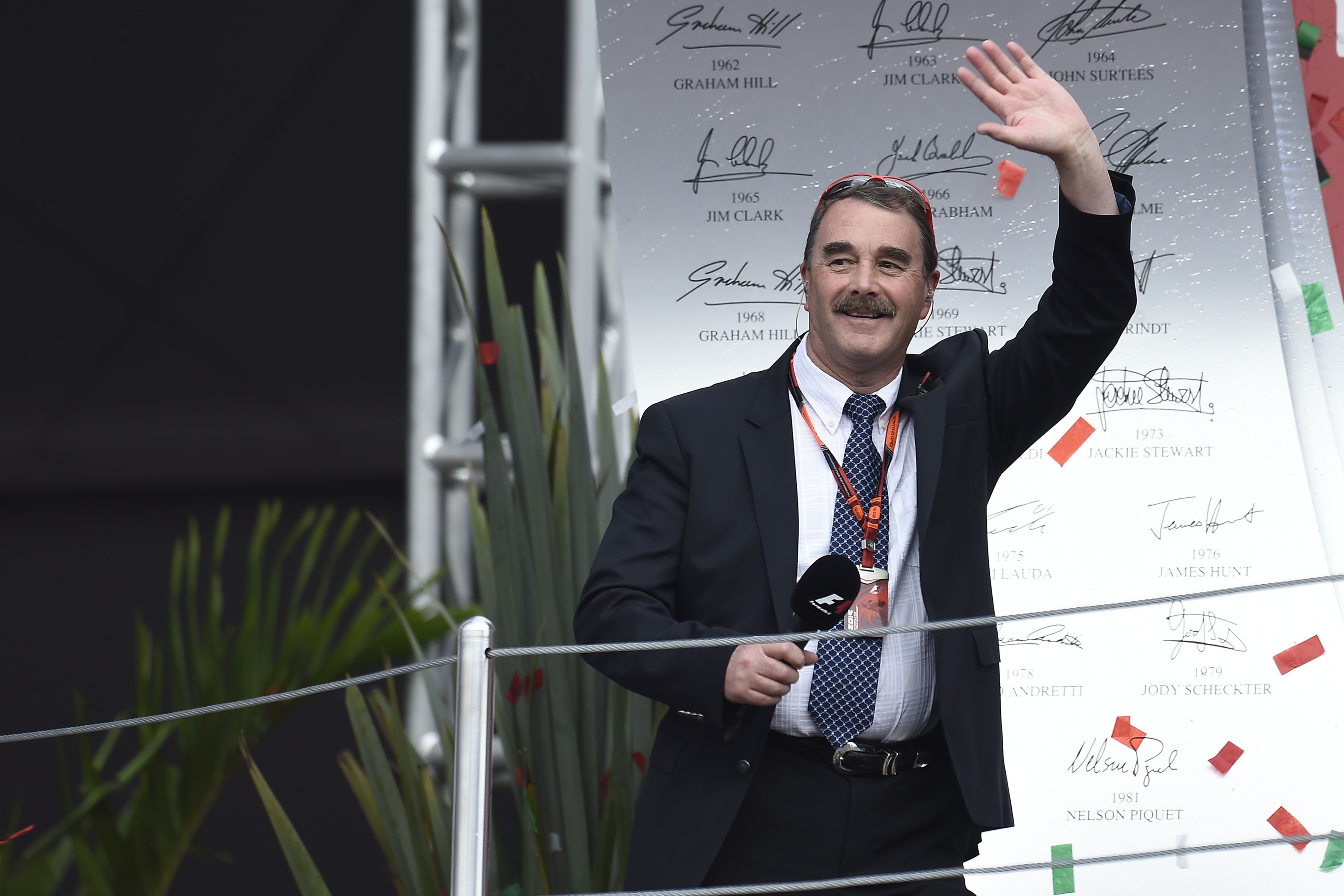
Nigel Mansell (2015)
Nigel Mansell won the 1992 F1 drivers' championship with one of the most technically advanced cars in history.
Born on the 8th of August of 1953 in Worcestershire, Nigel Ernest James Mansell went on to become one of the most beloved and charismatic F1 drivers of all time, but his story was not far from complex, from tough economic decisions to harsh injuries, his way into the Formula 1 grid was not a fairytale. Still, his racing character was evidently shaped by the setbacks he suffered on his way to greatness.
His first motorsport experience occurred during the 1962 British Grand Prix at Aintree, when he saw Jim Clark obliterate the field in July 1962, just before Mansell’s ninth birthday. With money being an issue, he managed to have a successful karting adventure and in 1976 he was racing in Formula Ford and having some good results.
Many wins came in the 1977 Formula Ford championship, but his and his wife Roseanne’s economical situation was rough and he had to sell many of his personal items to finance his career and also resigned from working as an aerospace engineer to focus fully in racing.
He won the 1977 Formula Ford championship, but the challenges were still coming, as he suffered a broken neck in a test at Brands Hatch that threatened his career as he got close to quadriplegia. Despite the setback, he sneaked out of the hospital and continued to work towards his goal of becoming a Formula 1 racing driver.
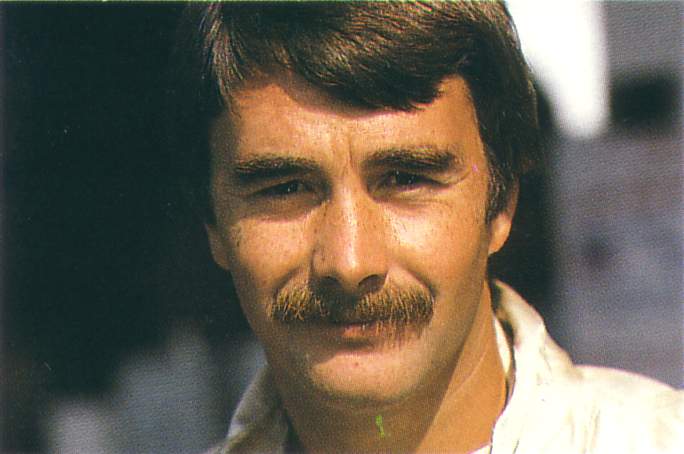
Nigel Mansell, Austrian F1 GP (1981)
For 1978 and 1979, NIgel Mansell had difficult years in Formula 3 as he could not land drives with competitive cars despite selling his house to fund the move. In 1980, journalist Peter Windsor and the assistant manager at Team Lotus, Peter Collins, talked Colin Chapman, Lotus’ owner, into taking a look at the talented and fast Mansell. Time later, Mansell earned the right to perform in a test at Paul Ricard for Lotus, which was looking for the number two driver for 1980 alongside 1978 World Champion Mario Andretti. Though Mansell had been taking painkillers to hide the pain generated by a back injury from an accident at Oulton Park, he performed well.
In the test, Elio de Angelis, Eddie Cheever, Jan Lammers and Stephen South were Nigel’s ‘rivals’. Mansell spun his car, a Lotus 79, shortly after starting his run but kept going and drove fast and controlled. Ultimately, de Angelis got the seat to be Andretti’s number two driver, but Mansell became a test driver for the legendary brand.
Nine races into 1980, Mansell had his chance to drive in a Formula 1 race at Austria, as the team decided to introduce a third car, the Lotus 81B. He started 24th at Austria but could not finish the race due to engine troubles. His debut race was harsh, as he suffered severe burns due to a fuel leak. Then, he participated in two other events, at the Netherlands and Italy. He qualified just three tenths behind Andretti at Zandvoort but did not finish the race due to brake failure.
At Italy, he could not qualify for the race after crashing during qualifying. His 1980 ended with the participation at Imola, but he managed to earn a spot as the second driver for 1981, alongside de Angelis.
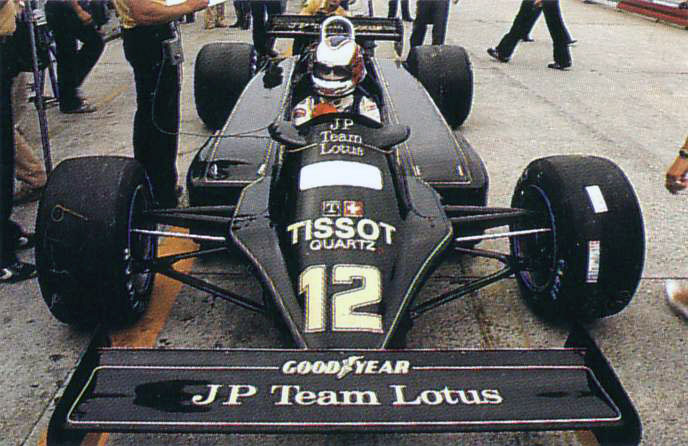
Lotus 88 driven by Nigel Mansell in Austria (1981)
To start 1981, Mansell out-qualified de Angelis in the first race of the year but was unable to score points as the Italian did. After the team withdrew from the 1981 San Marino Grand Prix to protest against the ban of the twin chassis Lotus 88, Mansell achieved his first podium with third in a chaotic GP at Zolder.
It was the team’s first podium in the last 16 races and the only podium achieved in 1981, as Mansell went on to finish just three more races during the year. However, his podium was followed by third on the grid in the next race, at Monaco, and it prompted Chapman to increase his salary and offer him a long-term deal at the end of the year.
The 1982 season was fairly similar for Mansell, as he was able to score a podium in a year filled with retirements. His podium happened early in the year (third at Brazil), as a result of the disqualification of Nelson Piquet and Keke Rosberg due to water-cooled brakes.
He finished just five of the 11 races he started after his podium in Brazil. Nigel Mansell finished just as 14th in the World Drivers’ Championship again with just seven points, one less than he had in the previous season. The team, however, had some consistent results from de Angelis during 1982 and the Italian even won the 1982 Austrian Grand Prix, which sadly was the last Lotus’ win witnessed by the founder Chapman.
Chapman died on the 16th of December of 1982, and it was a terrible situation for Mansell, who considered him as a friend, as Chapman had helped him throughout his career and had shown he cared for his safety. Mansell said many years after that Chapman’s death was “absolutely dreadful” and that Colin was like a father to him.
Peter Warr was now in charge at Lotus, and it was terrible for Mansell, who was not the favourite driver of the new Team Principal in any way, shape or form. 1983 and 1984 were tough years for Mansell, with the team boss wanting to get rid of him, his car often failing to complete Grands Prix and some costly mistakes made by himself.
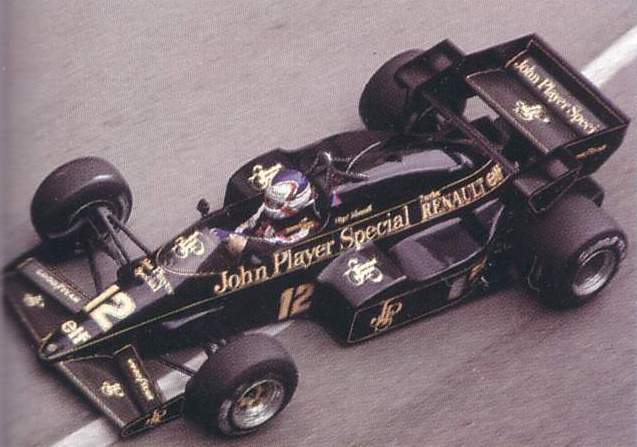
Lotus 95T driven by Nigel Mansell in Monaco (1984)
Though he scored a podium in the 1983 European Grand Prix and another one in the 1984 French Grand Prix, crashing out from the lead of the 1984 Monaco Grand Prix prompted one of the worse quotes ever uttered by a Team Principal about one of his drivers. “Mansell will never win a Grand Prix as long as I’ve got a hole in my arse”, Warr said.
Mansell was able to score the first Pole Position of his career, at Dallas three races later, but transmission issues ended his hopes of a podium as he only finished sixth after pushing his car to the finish line. A podium in the 1984 Dutch Grand Prix improved his season, though he finished nowhere near de Angelis in the WDC, as the Italian finished third overall and Mansell 10th.
Before the end of the 1984 season, it was public knowledge that Ayrton Senna was headed to Lotus and Nigel Mansell was out. Williams showed interest in Mansell and he signed with them, though he initially showed doubts about signing with the team.
Keke Rosberg, the 1982 World Champion, was Mansell’s teammate at Williams in 1985. Their relationship was good, though they had some clashes in the previous year. During the year, Rosberg’s was the leading Williams. After his first 11 races with Williams, Mansell’s best finish was a fifth place, which he achieved twice. In the 1985 Belgian Grand Prix, Mansell finished on second place behind Senna in a wet race after starting seventh.
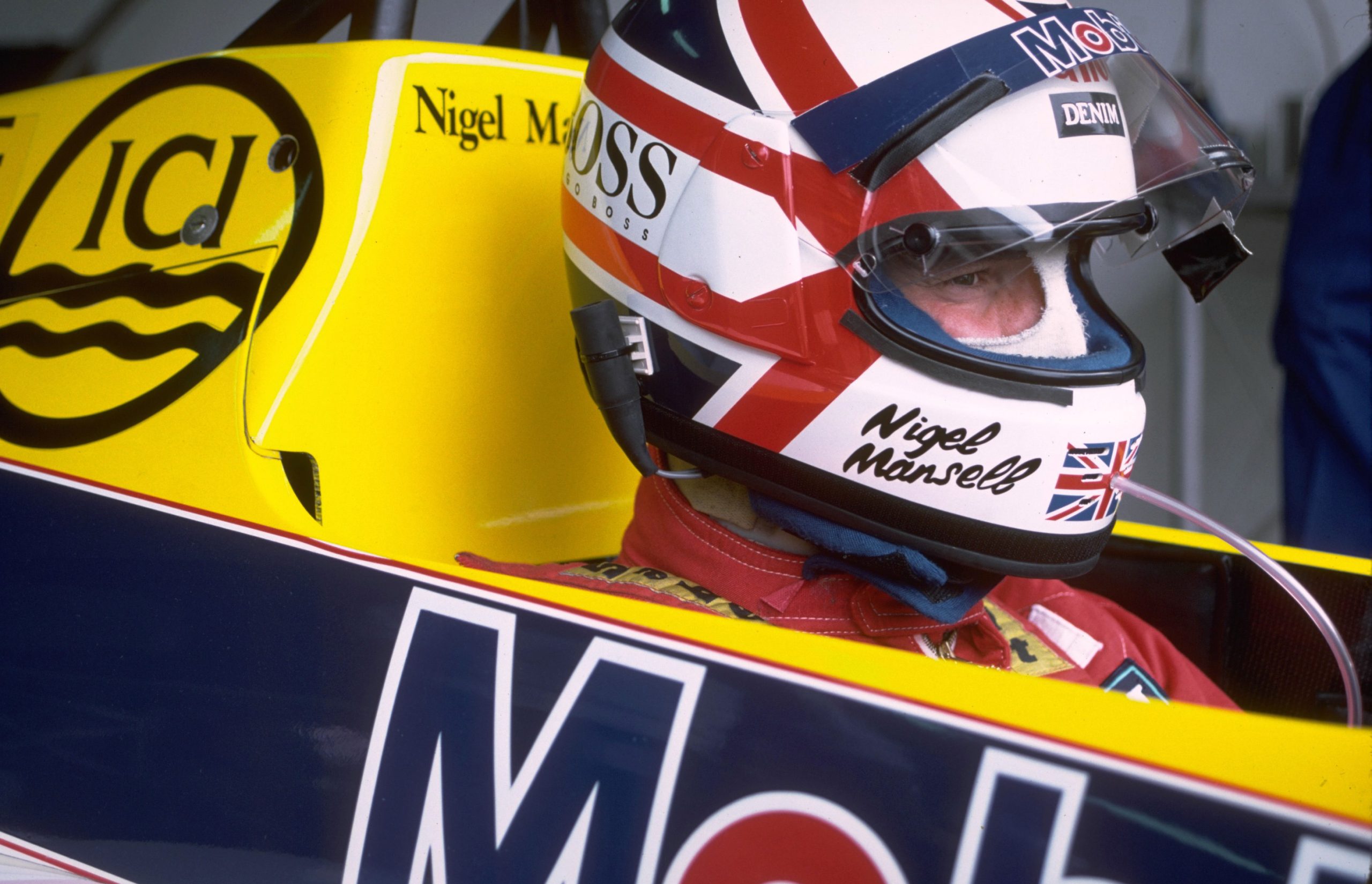
Nigel Mansell, Williams Honda FW10, 1985 Brazilian GP
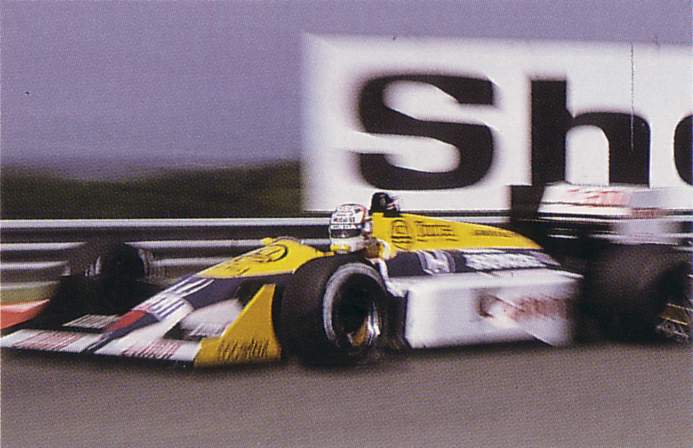
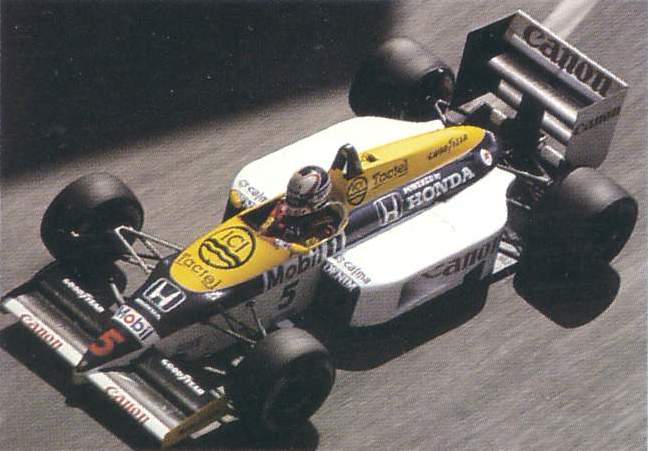
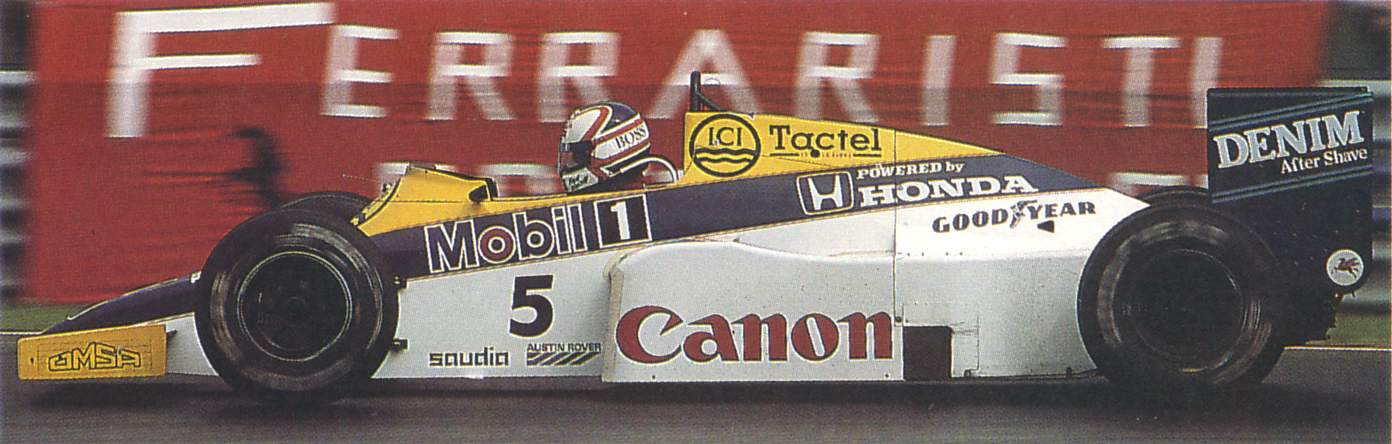
Then, the Englishman finally exploded and roared into a big first victory. He did it on the circuit that almost ended his race career in 1977. He won the 1985 European Grand Prix that was driven at Branch Hatch. He scored the highest step on the podium in front of Senna, after starting from third on the grid. Mansell followed his emotional first win with Pole Position at South Africa before leading a Williams 1-2 during the race for his second win in a row. Both wins came with the ‘Red 5’ on his car, which would become a trademark in his career in the following years.
The wins tied him with his teammate on points with one race left, but transmission trouble forced him to retire in the last race. Rosberg won the last race and finished third in the WDC as Mansell finished sixth.
As Rosberg left the Williams team to go to McLaren, a new threat came in for Mansell, another obstacle as the ones he had faced before in his life and in his racing career. This time, the threat was in the form of two-time F1 drivers' World Champion Nelson Piquet.
The relationship between Mansell and Piquet was bad from the start, as Piquet wanted to be treated as the number one driver. With personal attacks included, Mansell and Piquet’s rivalry was only enhanced by the fact that Williams had produced a strong car which was the machine to beat in 1986, the FW11.
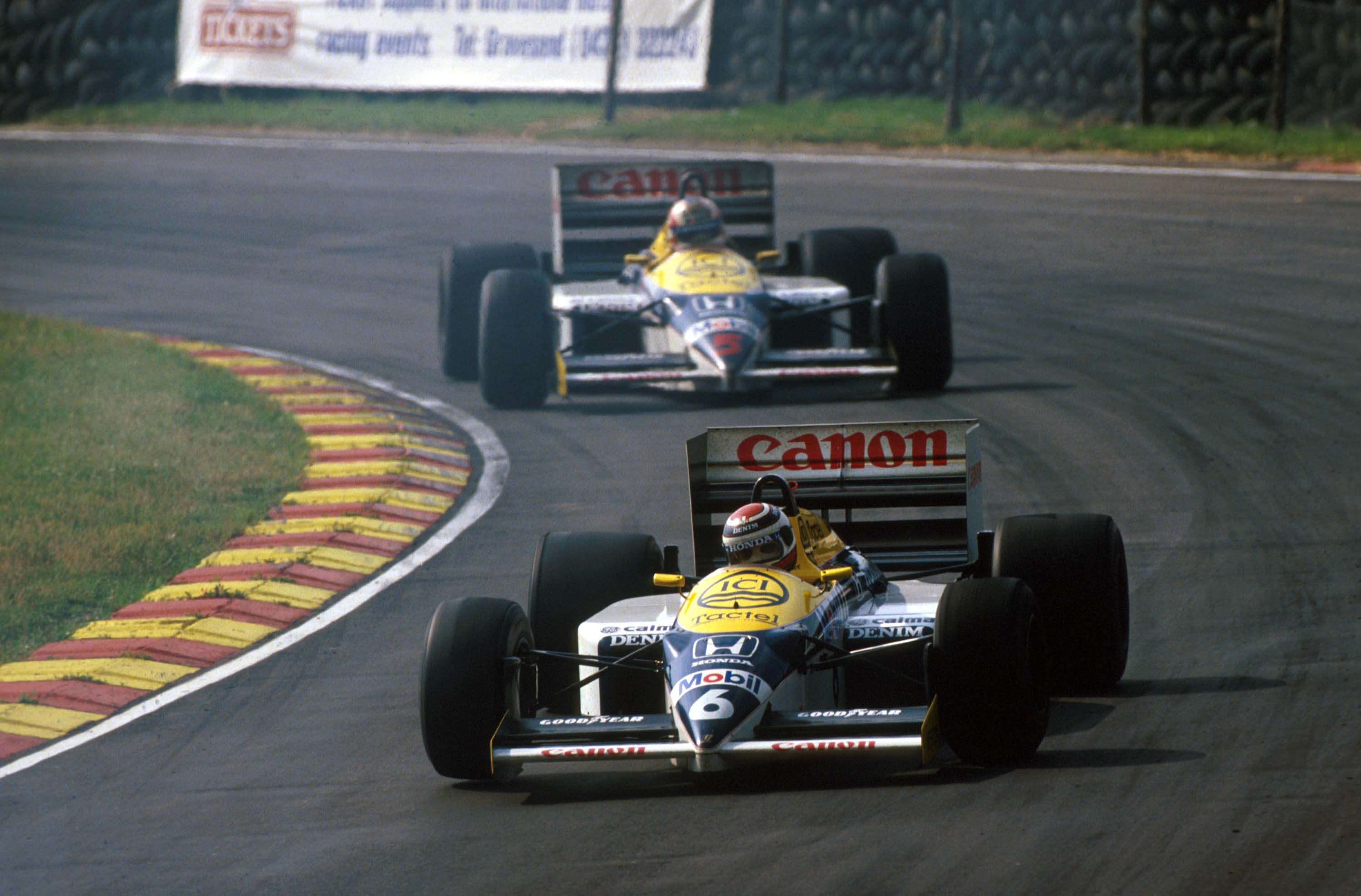
Nelson Piquet, Williams FW11 leads Nigel Mansell 1986 British Grand Prix, Brands Hatch
Piquet got off to a strong start winning the first race of the year, at Brazil. Mansell, on the other hand, had two retirements in the first four races before winning four of the next five Grands Prix. Three more podiums and a triumph at Portugal gave him the chance to seal the championship in the last two rounds, but a fifth-place at Mexico was not good enough to win the championship before the last race at Australia.
Mansell needed to finish in the podium in the last race to secure his dream. He started from Pole Position and was running third when the left rear tyre on his car exploded with just 19 laps left, throwing away all he had done during the season and preventing him from winning his first World Championship. Ultimately, Alain Prost won the 1986 title in front of the Williams’ pair.
For the next season, the situation at Williams continued and they had a great car again. Though Mansell won even more races in 1987 than in 1986, again he was unable to win the biggest prize. In a hard-fought battle between the fast two Williams’ drivers, Piquet’s consistency helped him to become Brazil’s first three-time F1 champion.
For Mansell, the best moment of the season happened in the 1987 British Grand Prix, where he was forced to pit for a tyre change and overcame a 30-second gap to overtake Piquet spectacularly and win the race. The title fight ended when Mansell crashed in Japan during practice and had to miss the race, which made Piquet the champion.
The 1988 season was a down year for the Williams team compared to the previous 2 seasons. In the back of Williams car were now Judd engines as Honda moved to work with the McLaren F1 team. An unreliable car and some collisions allowed NIgel Mansell to complete only two Grands Prix in 1988, both on the podium.
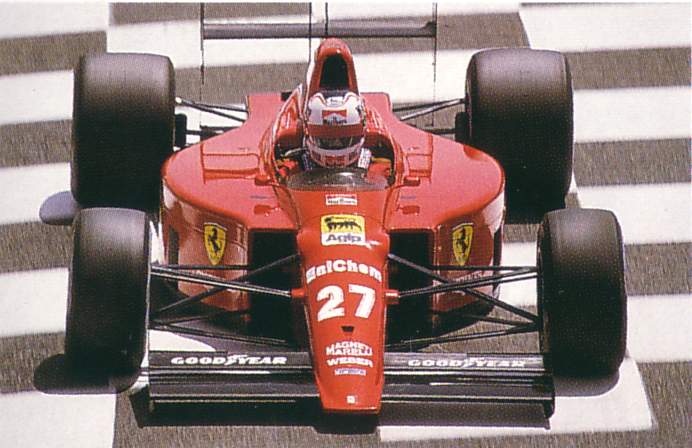
Nigel Mansell, Ferrari F1 89, 1989 French GP
Mansell joined Ferrari for 1989 and he surprised the world and even himself by winning the inaugural race of the year, the Brazilian Grand Prix at a circuit (Jacarepaguá) officially named after his greatest rival, Nelson Piquet.
Behind the wheel of the Ferrari 640, Mansell won the 1989 race at Brazil from sixth on the grid and he was the first driver to win in his Ferrari debut since Mario Andretti in 1971. Also, he was the last driver to win in his Ferrari debut until Kimi Raikkonen did the same in 2007.
After five races without scoring points due to various retirements and a disqualification, Mansell returned to form and put together a string of five straight podiums which included an amazing win at Hungary after starting 12th. He overtook Senna for the lead while lapping Stefan Johansson. Mansell said years later that he knew the Brazilian did not take that moment very well. “...There was mutual respect between us (Senna and him) and we could race together, hammer and tongs, with an unspoken agreement that we wouldn’t try to kill one another – although it was pretty tenuous at times. But he hated it when I passed him in Hungary, boxed him in against Johansson and won the race”, he told the Motorsport Magazine.
Mansell’s fighting spirit became noticeable for the Italian fans, who loved him and even gave him the nickname “Il Leone” (The Lion). He finished 1989 in fourth place in the World Drivers’ Championship after winning two races and finishing on the podium four other times.
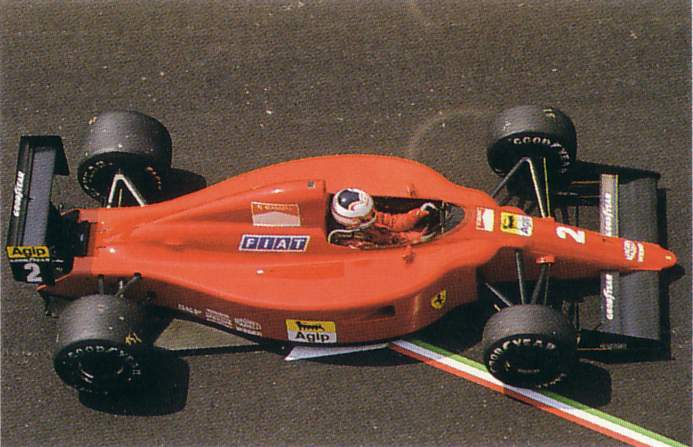
Nigel Mansell driving the Ferrari 641 in Germany (1990)
For 1990, reigning World Champion Alain Prost joined Ferrari and it all changed for Mansell, as the Frenchman had the entire support from the team. The first good moments for Mansell on a tough 1990 with Ferrari came at France and at his home Grand Prix at Silverstone. Mansell put his car on Pole for both races, but in between the events, the chassis he had for France was given to Prost, which did not go down well with the English racer.
Prost won the race at Silverstone and Mansell, who had already made up his mind about leaving Ferrari at the end of the year, announced he was retiring from the sport after the season’s end.
He won the 1990 Portuguese Grand Prix from Pole Position to secure what became his last win for the Scuderia. Nigel Mansell was reconsidering his retirement choice by negotiating with Williams for 1991, however, the team was unwilling to reach an agreement with Mansell since he was demanding to be the number one driver on the team and a full effort from the squad to his chances of winning the WDC.
After his performance at Portugal, Frank Williams called him and they reached an agreement. Nigel Mansell said years later that his decision to retire was not an emotional outburst and that he had been thinking seriously about it given his age at the time and his departure from Ferrari and his unwillingness to drive for a smaller team played an important role in his reasoning.
As Williams met Mansell’s requirements, the golden side of Mansell’s F1 story really started and, again, the Red 5 on his car. However, five wins and the same number of retirements in 1991 were not going to be enough to beat Senna and his McLaren-Honda for the title, but the competitiveness of Williams was certainly there.
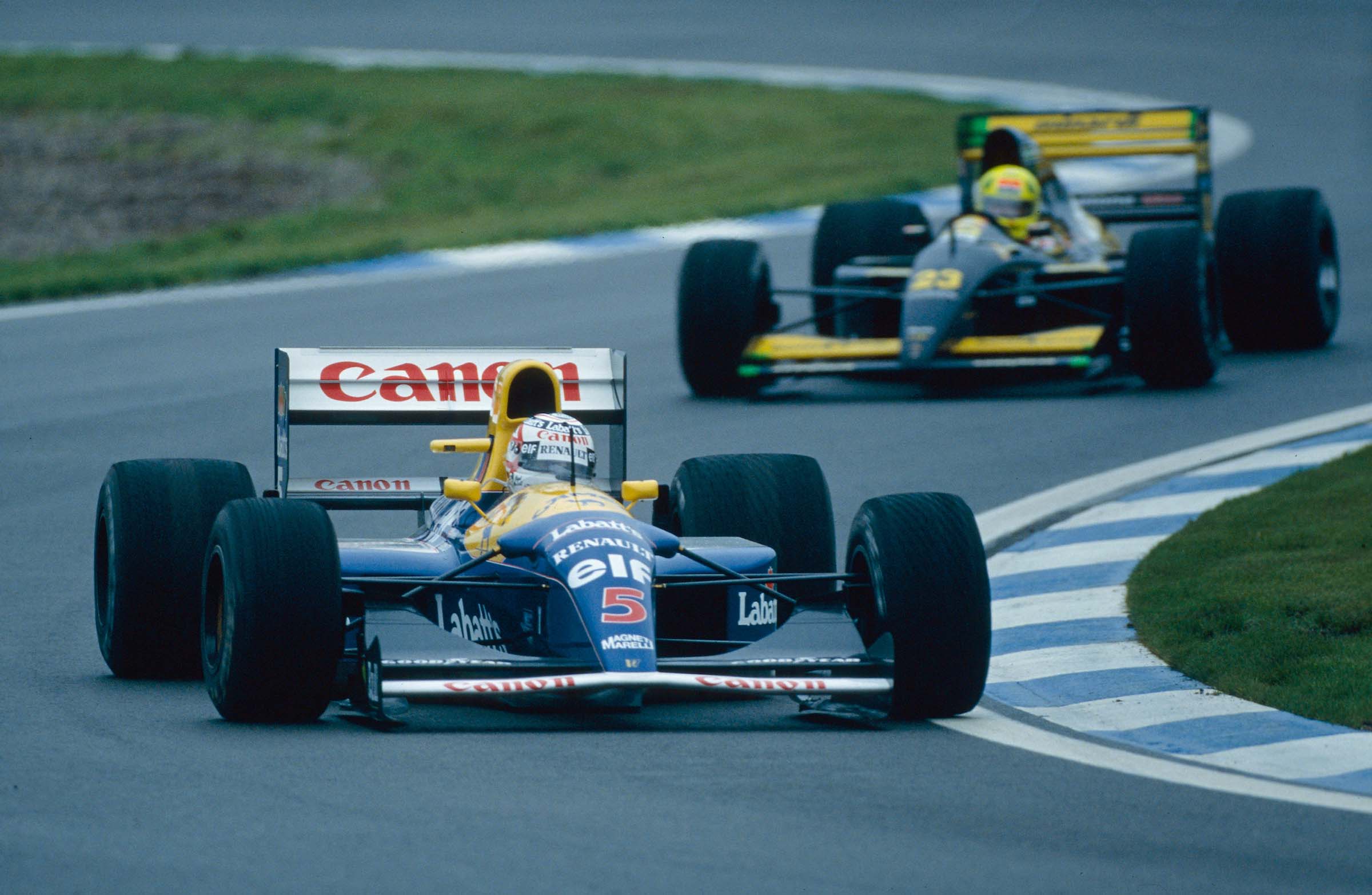
The active-suspension FW14B was the car that gave Mansell his shot at glory in 1992 and he would not let the opportunity go, not even with broken bones in his left foot.
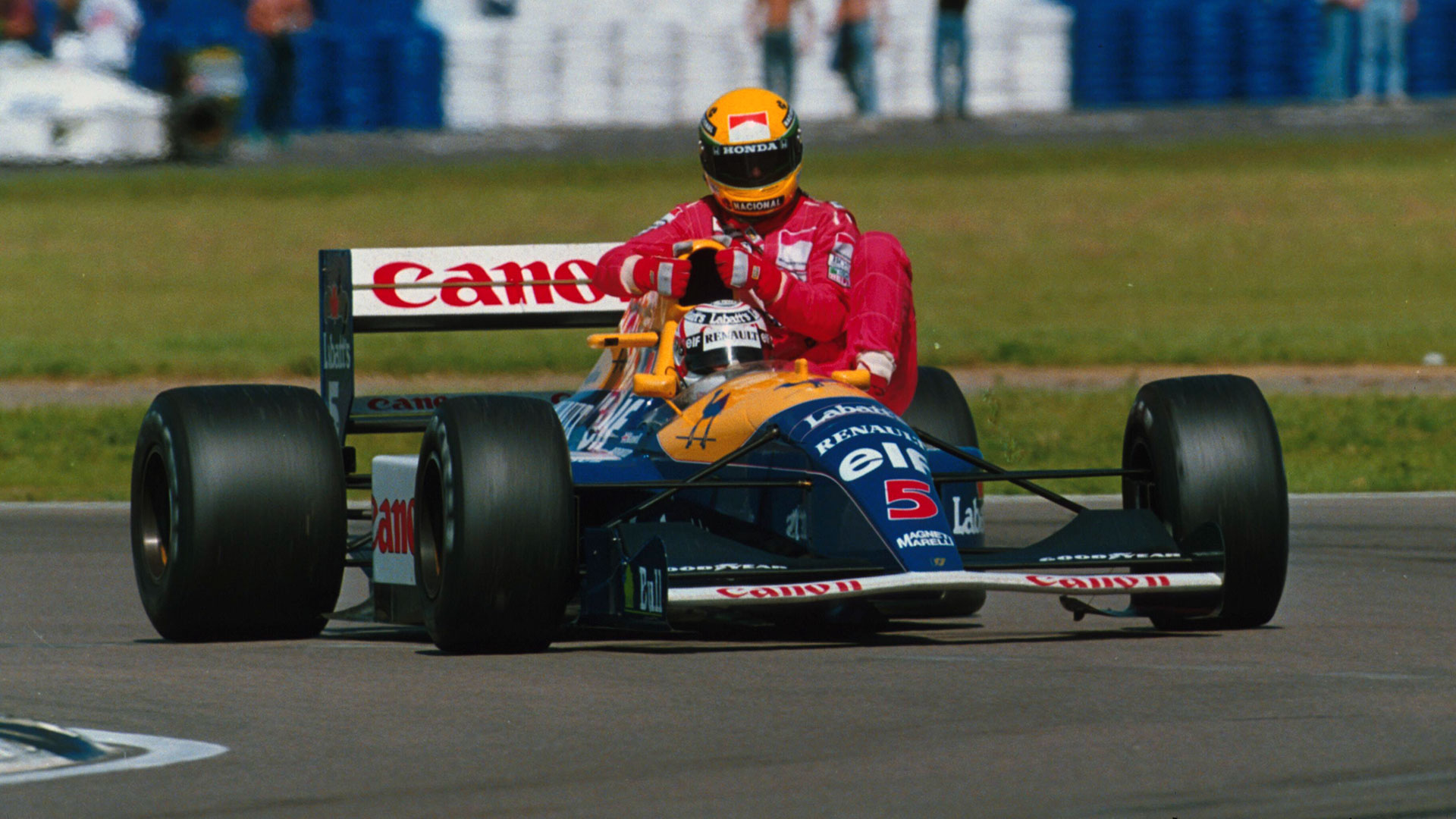
Ayrton Senna getting a lift of Nigel Mansell on his Williams FW14B Renault (1992)
Mansell won the first five races of 1992, which is still a record to begin a season (tied with Michael Schumacher in 2004) and did not look back from there. His streak was broken after a late pitstop at Monaco left him second behind Senna, who he tried to overtake in any kind of way before the race ended and Mansell had to settle for second.
A retirement at Canada and three straight victories at France, Great Britain and Germany left Nigel Mansell with a shot to become World Champion in the following race at Hungary. He started second and Budapest and kept his place after the race, behind Senna, to become the Formula 1 World Champion with dominant fashion and, of course, with his Red 5 on the car.
Another win at Portugal meant a new single-season record for most Grand Prix wins with nine. That record was later matched by Schumacher several times before the German himself went for 11 wins in 2002 (and then 13 in 2004, which was tied by Sebastian Vettel in 2013).
Also, Mansell set the single-season record for most Pole Positions with 14 in 16 races. His Pole Position record lasted 19 years as Vettel broke the mark in 2011.
Money issues and confirmation of Prost arriving at Williams for 1993 meant Mansell left the team to race in Indycar.
In Indycar, Mansell won the championship in 1993 in his first try, driving for Newman/Haas Racing, which was impressive, as he was the reigning F1 champion and the Indycar champion at the same time, at least until the 1993 F1 championship went to his replacement at Williams, Prost. His Indycar championship was won with the Red 5 on his car too.
The story behind the Red 5 is no other than Williams painting the number on Mansell’s car red as opposed to the white used by the team in 1985 to differentiate Mansell’s car from his teammate’s Keke Rosberg’s car. Mansell was called Red 5 by narrator Murray Walker and it stayed with him when he returned to Williams in 1991.
He had another full year at the USA in 1994, though he could not repeat his success from 1993. Mansell returned to Williams for four races during the 1994 season and even achieved a Pole Position at Adelaide before taking his 31st and last Formula 1 victory, helping Williams win the Constructors’ Championship.
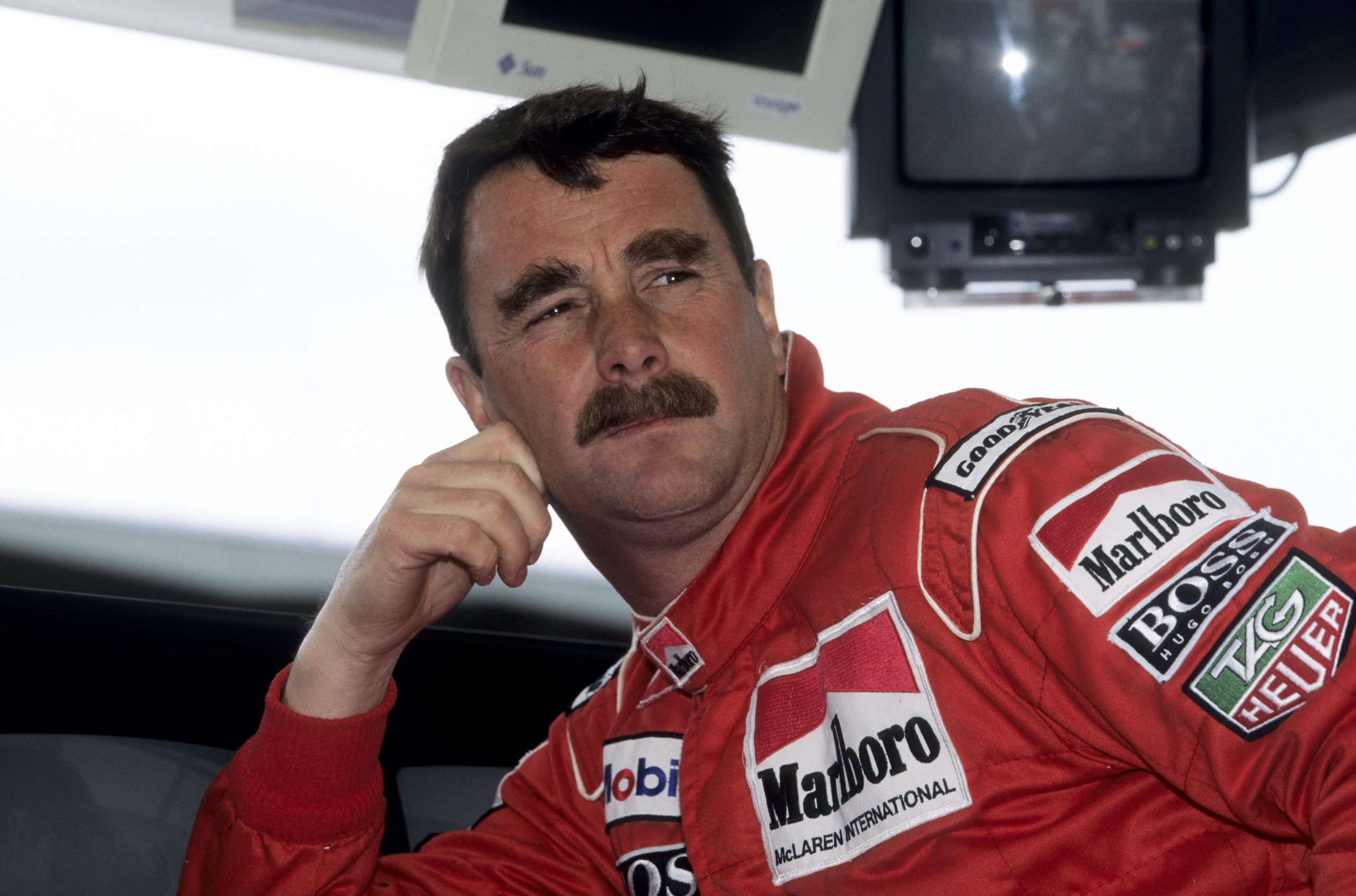
Nigel Mansell at McLaren (1995)
At age 41, he took the challenge to drive for McLaren-Mercedes in 1995, however, the MP4/10B was not a comfortable car for him, which forced him to be replaced in the first two rounds before the team could produce a cockpit that he could fit in. After two races without any glory, Mansell announced what was his definitive retirement from the sport.
Mansell drove in the British Touring Car Championship in 1998 and in the Grand Prix Masters in 2005 and 2006, winning a couple of races and showing signs of his old days.
Now, Nigel Mansell is enjoying his retirement and his achievements in his post-racing life, which include many businesses and successful enterprises.
A legend, a champion, a lion, Red 5.
"I've tried everything other than jumping out of a plane, but nothing gives you an adrenaline rush like racing a car".
Seasons
Nigel Mansell Championship Results
1× World Championship1992–1992 · Williams
One title, won in 1992 with Williams.
- 1992Williams108 pts52 clear of Riccardo Patresesealed at 1992 Hungarian F1 GP
29th
1995
9th
1994
1st
1992
2nd
1991
5th
1990
4th
1989
9th
1988
2nd
1987
2nd
1986
6th
1985
10th
1984
13th
1983
14th
1982
14th
1981
30th
1980
Nigel Mansell F1 Seasons Summary
| Year | Team | Engine | GP | 1st | 2nd | 3rd | Pod | Pole | Laps | FL | Avg Pts | Points |
|---|---|---|---|---|---|---|---|---|---|---|---|---|
| 1995 |
McLaren |
 Mercedes Mercedes | 2 | 0 | 0 | 0 | 0 | 0 | 79 | 0 | 0.00 | 0 |
| 1994 |
Williams |
 Renault Renault | 4 | 1 | 0 | 0 | 1 | 1 | 223 | 0 | 3.25 | 13 |
| 1992 🏆 |
Williams |
Renault | 16 | 9 | 3 | 0 | 12 | 14 | 897 | 8 | 6.75 | 108 |
| 1991 |
Williams |
Renault | 16 | 5 | 4 | 0 | 9 | 2 | 774 | 6 | 4.50 | 72 |
| 1990 |
 Ferrari Ferrari |
Ferrari | 16 | 1 | 3 | 1 | 5 | 3 | 886 | 3 | 2.31 | 37 |
| 1989 |
Ferrari |
Ferrari | 15 | 2 | 2 | 2 | 6 | 0 | 647 | 3 | 2.53 | 38 |
| 1988 |
Williams |
Judd | 14 | 0 | 2 | 0 | 2 | 0 | 562 | 1 | 0.86 | 12 |
| 1987 |
Williams |
Honda | 14 | 6 | 0 | 1 | 7 | 8 | 717 | 3 | 4.36 | 61 |
| 1986 |
Williams |
Honda | 16 | 5 | 2 | 2 | 9 | 2 | 889 | 4 | 4.50 | 72 |
| 1985 |
Williams |
Honda | 15 | 2 | 1 | 0 | 3 | 1 | 723 | 1 | 2.07 | 31 |
| 1984 |
Team Lotus |
Renault | 16 | 0 | 0 | 2 | 2 | 1 | 642 | 0 | 0.81 | 13 |
| 1983 |
Team Lotus Team Lotus |
Ford Renault | 15 | 0 | 0 | 1 | 1 | 0 | 669 | 1 | 0.67 | 10 |
| 1982 |
Team Lotus |
Ford | 13 | 0 | 0 | 1 | 1 | 0 | 493 | 0 | 0.54 | 7 |
| 1981 |
Team Lotus |
Ford | 14 | 0 | 0 | 1 | 1 | 0 | 494 | 0 | 0.57 | 8 |
| 1980 |
Team Lotus |
Ford | 2 | 0 | 0 | 0 | 0 | 0 | 55 | 0 | 0.00 | 0 |
Cars
Nigell Mansell F1 Cars
-

- Nigel Mansell driving the Williams FW15 (1992)
-
- Race winner Nigel Mansell (GBR) Williams FW14 takes the chequered flag at his home Grand Prix. British Grand Prix, Silverstone, England, 14 July (1991)
-

- Nigel Mansell driving the Ferrari 641 in Germany (1990)
-

- Nigel Mansell, Ferrari F1 89, 1989 French GP
-

- Jean-Louis Schlesser, Williams FW12 Judd replaced Nigel Mansell, who was recovering from Chicken Pox. Italian Grand Prix, Monza Williams FW11 Honda driven by Nigel Mansell in Monaco (1988)
-

- Williams FW11B Honda driven by Nigel Mansell in Hungary (1987)
-

- Williams FW11 Honda driven by Nigel Mansell in Monaco (1986)
-

- Williams FW10 Honda driven by Nigel Mansell in San Marino(1985)
-

- Lotus 95T driven by Nigel Mansell in Monaco (1984)
-

- Lotus 88 driven by Nigel Mansell in Austria (1981)
-

- Lotus 87 driven by Nigel Mansell in Monaco (1981)
Races
Wins
Podiums
Poles
Teammates
News
Nigel Mansell News

On This Day in F1 History: Mansell's First Win After

Nigel Mansell's 2025 Interview at Goodwood
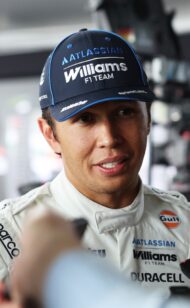
F1 Beyond The Grid: Alex Albon's 2026 Interview

On This Day in F1 History: Senna vs. Mansell At

1992 Monaco Grand Prix Legendary Footage: Senna vs Mansell
2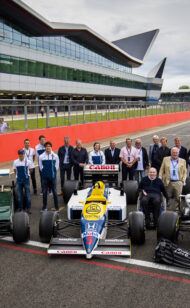
How Did Williams Heritage Restore the FW11?
Read more Nigel Mansell News »
Nigel Mansell — Frequently Asked Questions
When did Nigel Mansell start racing in Formula 1?
Nigel Mansell started racing in Formula 1 in 1980.
Is Nigel Mansell still racing in Formula 1?
No, Nigel Mansell last competed in Formula 1 in 1995.
How many Formula 1 races has Nigel Mansell won?
Nigel Mansell has won 31 Formula 1 races.
How many F1 World Championships has Nigel Mansell won?
Nigel Mansell has won 1 Formula 1 World Drivers' Championship (1992).
How many F1 podiums does Nigel Mansell have?
Nigel Mansell has finished on the podium 59 times in Formula 1.
When did Nigel Mansell win their first F1 race?
Nigel Mansell won their first Formula 1 race at the 1985 European F1 GP.
What nationality is Nigel Mansell?
Nigel Mansell is British.
Which teams has Nigel Mansell driven for in Formula 1?
Nigel Mansell has driven for Team Lotus, Ferrari, Williams and McLaren in Formula 1.
How many F1 races has Nigel Mansell entered?
Nigel Mansell has competed in 192 Formula 1 Grands Prix.