





Best F1 Drivers of All Time
Table of Contents
Who Is the Best F1 Driver of All Time?
Juan Manuel Fangio ranks as the best F1 driver of all time in our formula-based analysis. His five world titles, 24 wins from just 51 starts, 29 pole positions and 23 fastest laps still set the benchmark for efficiency and dominance in Formula 1.
This page looks at the best F1 drivers of all time through a weighted ranking formula rather than a simple points table. If you want the full sortable database of every Formula 1 driver, visit our All-Time F1 Driver Rankings page. If you want our view on the Formula 1 GOAT debate, this is the page to read.
The debate over the greatest F1 drivers of all time never truly ends. Different eras, shorter and longer calendars, changing points systems and major safety improvements make direct comparisons difficult. That is exactly why we use a fixed formula based on wins, podium finishes, pole positions, fastest laps, world titles and career efficiency.
This article ranks the top 10 best F1 drivers of all time and explains why legends such as Fangio, Ascari, Clark, Hamilton, Senna, Schumacher and Verstappen all belong in the Formula 1 GOAT conversation.
Quick answer: according to the ranking formula below, the current top five are Juan Manuel Fangio, Alberto Ascari, Jim Clark, Lewis Hamilton and Ayrton Senna.
Current Top 10 Overview
- Juan Manuel Fangio
- Alberto Ascari
- Jim Clark
- Ayrton Senna
- Lewis Hamilton
- Michael Schumacher
- Max Verstappen
- Giuseppe Nino Farina
- Alain Prost
- Jackie Stewart
1. Best F1 Drivers Ranking Factors
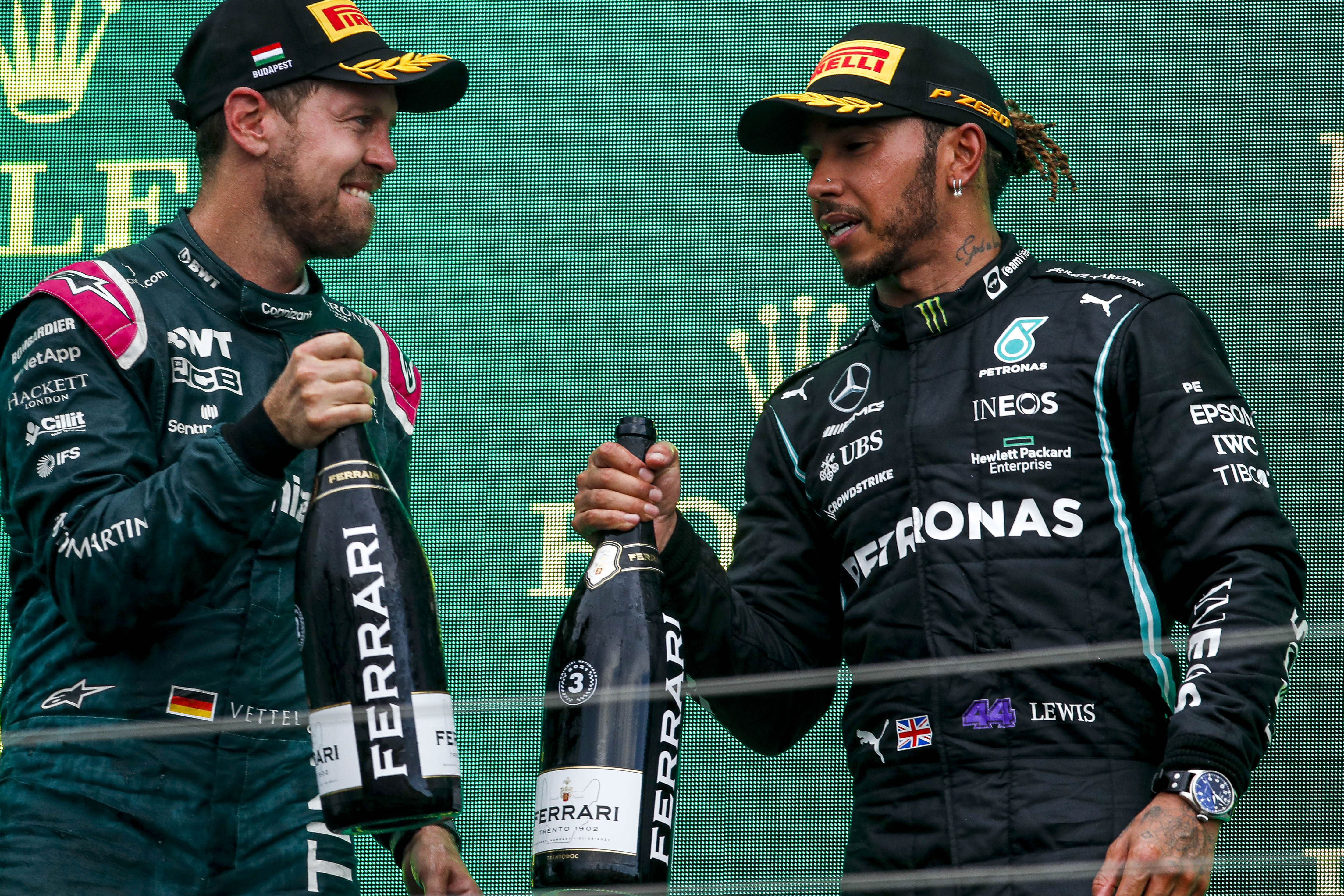
Podium finishers in Baku
Any driver who wins races or world championships deserves a place in the debate about the best Formula 1 drivers ever. But titles alone do not settle the question. Raw speed, consistency, efficiency and the ability to convert opportunities into results all matter as well.
Today there are hundreds of F1 drivers who have taken part in the world championship. Each one has built a statistical record that can be compared across wins, podiums, poles, fastest laps, starts and championships. You can compare any two drivers directly with our F1 Driver Comparison Tool.
The difficult part is comparing drivers from very different eras. Formula 1 in the 1950s, 1960s and 1970s was far more dangerous than the modern championship. Many legendary drivers lost seasons, races and even their lives before they had the chance to build the kind of long careers seen today. That is why our ranking rewards success, but also measures how efficiently that success was achieved.
Early F1 cars were brutally dangerous. They had far less crash protection, weaker brakes, fewer run-off areas and much poorer safety standards than modern Formula 1 machinery. If you want to understand the cost of that era, see our list of F1 drivers who died racing.
2. Best F1 Drivers Ranking Formula
To compare the best F1 drivers of all time, we focus on the results that define greatness in Formula 1:
- Race wins
- Second-place finishes
- Third-place finishes
- Pole positions
- Fastest laps
- World titles
- Race starts
We give factors 1 to 6 a weighting, add them together and divide the total by the number of race starts. That gives us an efficiency-based score rather than a simple total. Shared drives from the early years are excluded where needed, because they distort direct career comparisons.
These are the weightings used in our Formula 1 GOAT formula:
- Race wins: 0.5
- Second places: 0.4
- Third places: 0.3
- Pole positions: 0.2
- Fastest laps: 0.1
- World titles: 1.0
World championships carry the heaviest weight, but not so heavily that one metric alone decides the outcome. That matters because F1 was much more dangerous in the early decades, calendars were shorter and career lengths varied hugely from era to era.
This approach produces a cleaner all-time ranking of the best Formula 1 drivers ever by balancing achievement with efficiency.
3. Top 10 Best F1 Drivers of All Time
Based on the formula above, this is the current top 10 in our all-time Formula 1 GOAT ranking:
| No. | Name | Races | 1st | 2nd | 3rd | Poles | FL | Titles | Score |
| 1 | Juan Manuel Fangio | 51 | 24 | 10 | 1 | 29 | 23 | 5 | 57.6 |
| 2 | Alberto Ascari | 32 | 13 | 4 | 0 | 14 | 12 | 2 | 44.1 |
| 3 | Jim Clark | 72 | 25 | 1 | 6 | 33 | 28 | 2 | 36.3 |
| 4 | Ayrton Senna | 161 | 41 | 23 | 16 | 65 | 19 | 3 | 32.5 |
| 5 | Lewis Hamilton | 356 | 105 | 57 | 40 | 105 | 67 | 7 | 32.1 |
| 6 | Michael Schumacher | 307 | 91 | 43 | 21 | 68 | 77 | 7 | 31.7 |
| 7 | Max Verstappen | 209 | 63 | 32 | 17 | 40 | 33 | 4 | 31.6 |
| 8 | Nino Farina | 33 | 5 | 8 | 5 | 5 | 4 | 1 | 31.5 |
| 9 | Alain Prost | 199 | 51 | 35 | 20 | 33 | 41 | 4 | 30.3 |
| 10 | Jackie Stewart | 100 | 27 | 11 | 5 | 17 | 15 | 3 | 27.3 |
This top 10 includes dominant champions from different generations of Formula 1. It combines the astonishing efficiency of the early legends with the longevity and volume of the modern greats. That is why the list contains names from the 1950s, 1960s, turbo era and modern hybrid era alike.
10. Jackie Stewart (1965-1973)
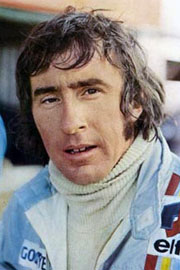
Jackie Stewart
Sir Jackie Stewart closes our top 10, but his place among the greatest Formula 1 drivers ever is fully deserved. The Scottish legend started 100 Grands Prix, won 27 of them and finished on the podium 43 times. That is an extraordinary strike rate by any standard.
Stewart was not only fast, he was intelligent, disciplined and technically sharp. He won three world titles and became one of the most influential voices for safety in Formula 1. That matters when comparing drivers from older eras, because Stewart competed in one of the most dangerous periods in grand prix history.
He also shared a close friendship with Jim Clark, one of the other giants on this list. Stewart's final season ended in tragic circumstances when team-mate Francois Cevert was killed during the 1973 United States Grand Prix weekend.
Below you can watch Stewart win the 1969 British Grand Prix for Matra.
9. Alain Prost (1980-1993)
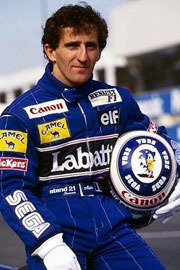
Alain Prost
Alain Prost is often one of the most underrated names in any best F1 drivers of all time debate. The Frenchman won four world championships, 51 Grands Prix and built a reputation as one of the smartest and most calculating racers the sport has ever seen. That is why he was known as The Professor.
Prost was not defined by raw aggression alone. He was defined by race management, tyre care, tactical intelligence and relentless consistency. His rivalry with Ayrton Senna remains one of the most famous chapters in Formula 1 history and is a major reason why both men are still central to the GOAT conversation.
He raced for four teams and won titles with McLaren and Williams, while also coming close with Ferrari. In any ranking of the greatest F1 drivers of all time, Prost belongs because he combined elite speed with one of the highest racing IQs the championship has ever seen.
Below you can watch an Alain Prost tribute video.
8. Max Verstappen (2015-)
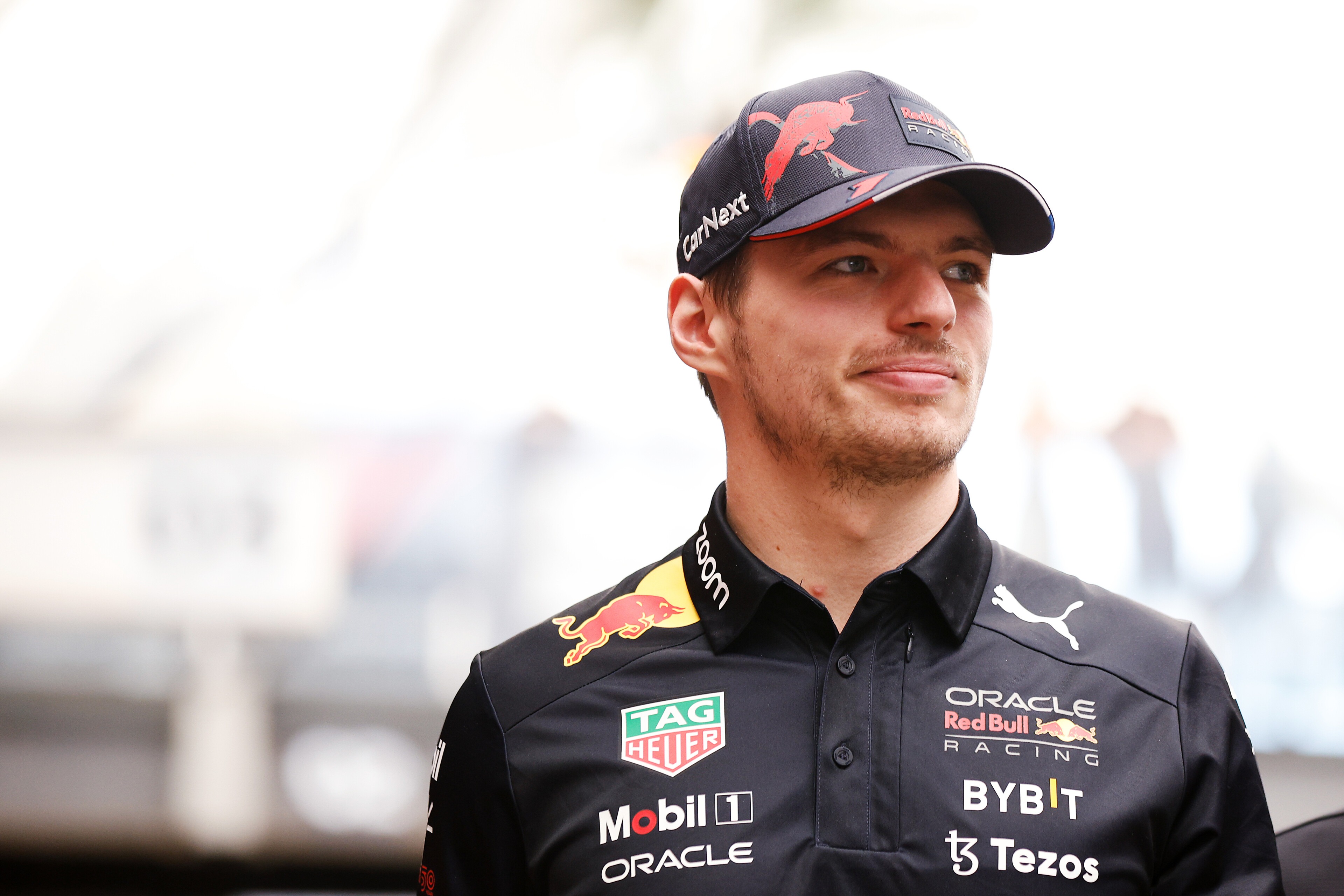
Max Verstappen
Max Verstappen is already part of any serious discussion about the best Formula 1 drivers of all time. He debuted at a record-young age, became the youngest driver to win a Grand Prix and has since built one of the most dominant peaks the sport has ever seen.
What makes Verstappen special is not only the number of wins and titles, but the way he drives. He is aggressive without being careless, exceptional in wet conditions, ruthless in wheel-to-wheel combat and devastatingly quick over a race distance. His 2016 Brazilian Grand Prix drive remains one of the clearest early examples of his talent.
Verstappen's rise also returned sustained title-winning success to Red Bull Racing. Because he is still adding to his record, he is one of the few active drivers with a realistic chance of climbing even higher in this all-time top 10.
7. Giuseppe Nino Farina (1950-1955)
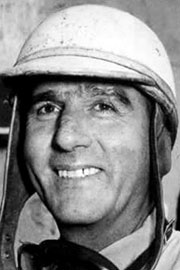
Nino Farina
Nino Farina holds seventh place in our list and remains one of the most important figures in Formula 1 history. He won the very first Formula 1 world championship in 1950 and was also the winner of the first official world championship Grand Prix at Silverstone.
Farina's career was short by modern standards, but the efficiency of his record is exactly why he ranks so highly in this formula. He started 33 races and stood on the podium 20 times. He was fast, combative and immensely effective during the earliest years of the championship.
He was also one of only two Italian drivers to become Formula 1 world champion, the other being Alberto Ascari. For that reason alone, Farina deserves far more recognition in modern GOAT debates than he usually receives.
6. Michael Schumacher (1991-2012)
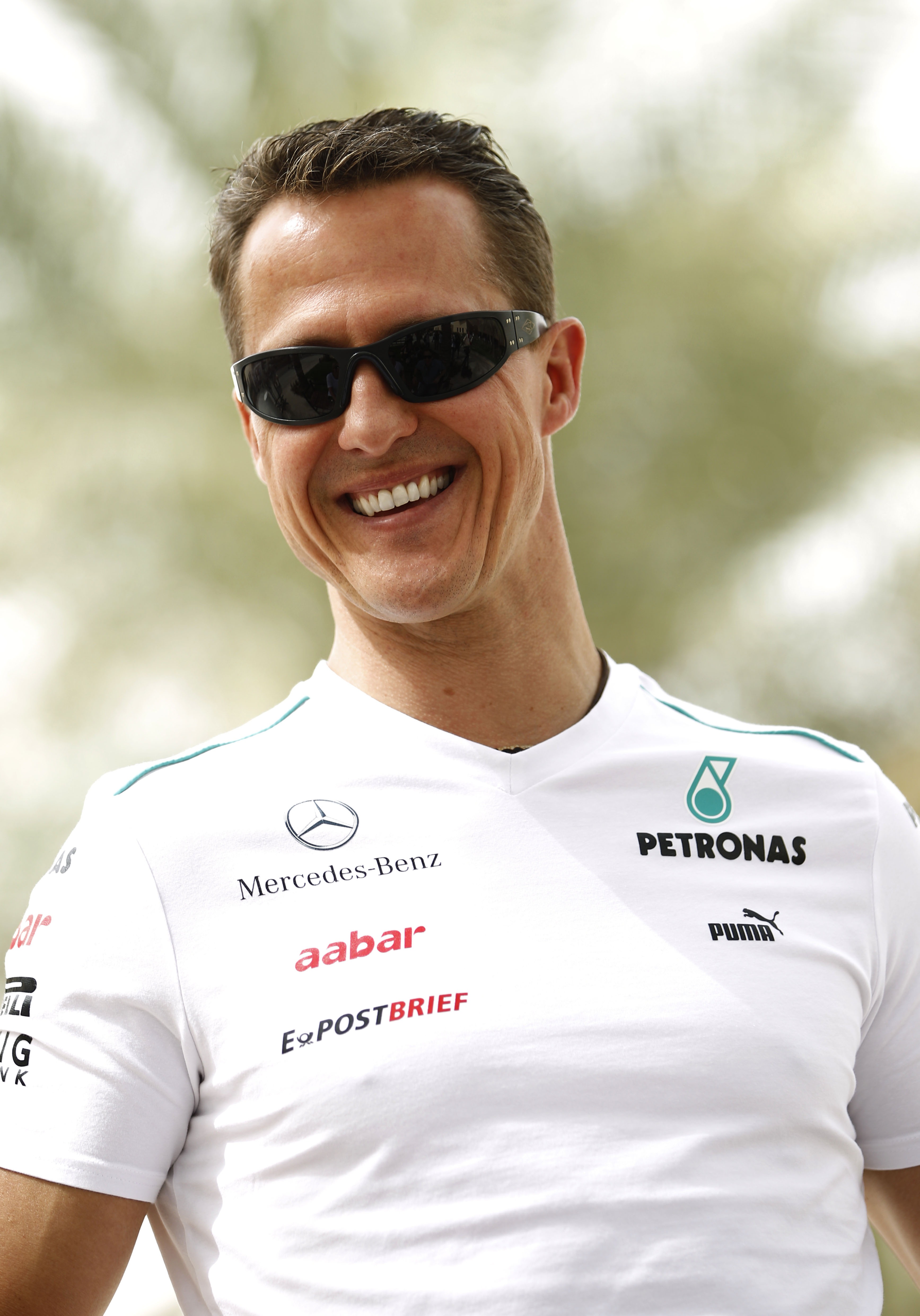
Michael Schumacher
Michael Schumacher is still one of the strongest candidates for best F1 driver of all time. He won seven world titles, 91 races and transformed Ferrari into a dominant force during one of the most famous dynasties in Formula 1 history.
His greatness was not only about winning. Schumacher combined elite qualifying pace, devastating race speed, technical leadership and an extraordinary work ethic. In wet conditions he was often untouchable, with the 1996 Spanish Grand Prix remaining one of the classic examples of his brilliance.
In our formula, his late-career comeback affects his efficiency score because it added many extra starts without adding many wins. Even so, Schumacher still ranks inside the top six, which says everything about the level of his peak years. In the wider GOAT debate, he remains one of the central names alongside Fangio, Senna and Hamilton.
One of the defining moments of Schumacher's career was his first Ferrari world title in 2000. You can watch that emotional moment below.
5. Lewis Hamilton (2007-)
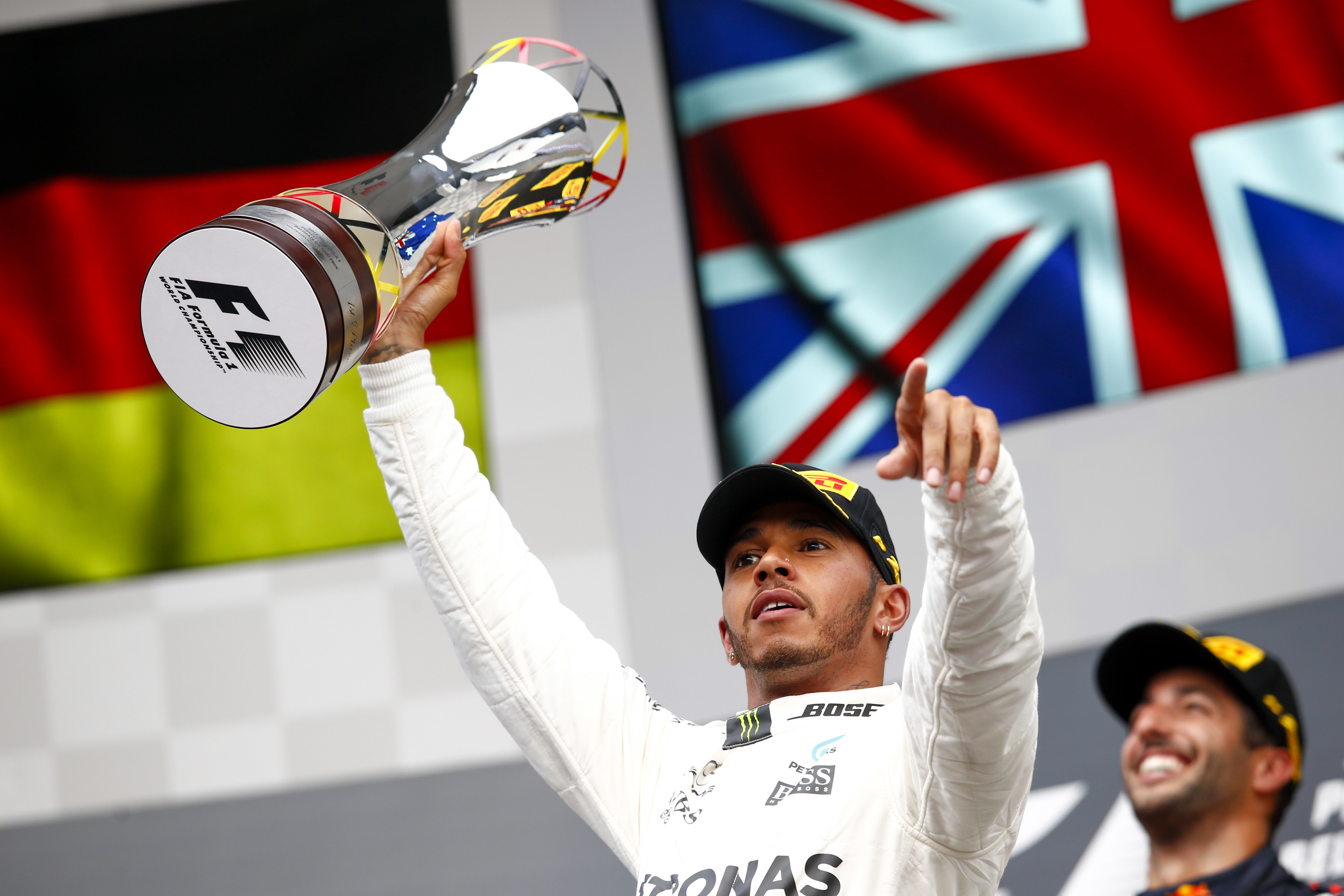
Lewis Hamilton
Lewis Hamilton is the strongest modern candidate in the debate about the best F1 driver of all time. He entered Formula 1 in 2007 and was immediately championship calibre, nearly winning the title as a rookie before taking his first crown in 2008 in one of the most dramatic season finales the sport has ever seen.
Hamilton's all-time case is built on elite numbers across every major category: wins, pole positions, podiums and world titles. Very few drivers in Formula 1 history have matched his blend of speed, longevity and consistency. He has delivered in different regulations, for different teams and over a remarkably long time span.
He is also one of the most complete drivers the sport has seen: strong in qualifying, excellent in wet conditions, smooth on tyres and relentless over a full championship campaign. That is why Hamilton ranks so highly here and why many fans consider him the Formula 1 GOAT.
4. Ayrton Senna (1984-1994)
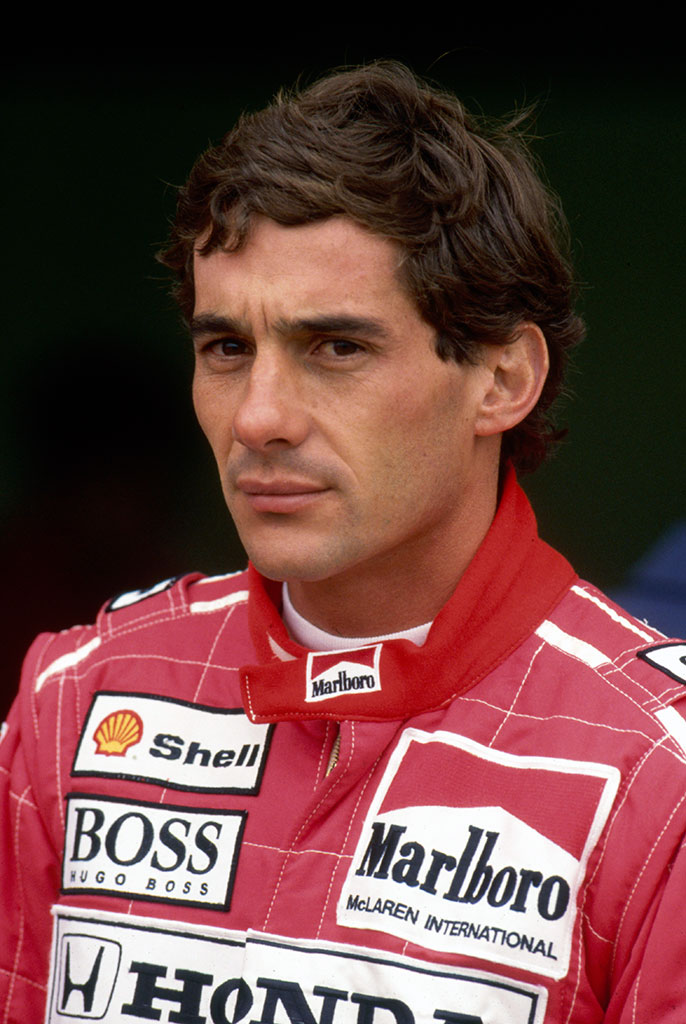
Ayrton Senna
Ayrton Senna is one of the most iconic names in Formula 1 history and, for many fans, the best driver ever. In pure qualifying speed he has one of the strongest cases of anyone on this page. Senna took 65 pole positions in just 161 starts, an astonishing rate that underlines his raw pace.
He was also one of the sport's greatest wet-weather masters, capable of driving beyond what most believed possible. His opening lap at Donington in 1993 and his charge through the field at Monaco in 1984 are still talked about decades later.
Senna ranks slightly lower in this formula because of retirements and a shorter career than some of his rivals, not because of a lack of brilliance. In any emotional or talent-based debate about the greatest F1 drivers of all time, Senna will always be near the top.
One of Senna's most famous drives came at Donington Park in 1993. You can see that famous opening lap below.
3. Jim Clark (1960-1968)
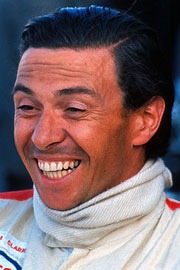
Jim Clark
Jim Clark holds third place in our ranking and is one of the purest talents Formula 1 has ever seen. He won 25 Grands Prix from just 72 starts, claimed two world championships and dominated seasons in a way that still stands out, even in modern comparisons.
Clark spent his Formula 1 career with Lotus and delivered some of the most breathtaking performances in the sport's history. His victory margin in the 1963 Belgian Grand Prix and his all-round brilliance in 1965, when he also won the Indianapolis 500, are a huge part of his legend.
Many drivers and historians still regard Clark as one of the most naturally gifted racers ever to sit in a Formula 1 car. His life and career were cut tragically short in 1968, which means his totals do not fully reflect just how much more he may have achieved.
Below you can watch highlights from Clark's extraordinary fightback in the 1967 Italian Grand Prix.
2. Alberto Ascari (1950-1955)
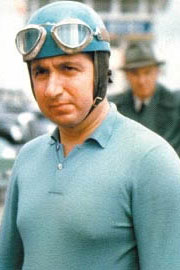
Alberto Ascari
Alberto Ascari ranks second in our list and remains one of the most efficient winners in Formula 1 history. The Italian raced only 32 times, yet won 13 Grands Prix, took 14 pole positions, recorded 12 fastest laps and won two world titles. That level of dominance explains why he sits so high in this formula.
Ascari was Ferrari's first truly great champion and one of the defining stars of the early 1950s. He and Fangio were the great rivals of the era, and their battle for supremacy helped shape the first chapter of Formula 1 history.
His career was tragically short, which is why his totals are lower than many modern legends. But that short career is exactly what makes his efficiency score so powerful. Had he raced longer, he might well have challenged Fangio even more strongly for the number one position.
Below you can watch a video about Ascari's final win at Monza and the crash that ended his life.
1. Juan Manuel Fangio (1950-1958)
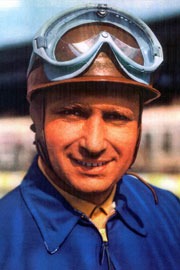
Juan Manuel Fangio
With a score of 57.6, Juan Manuel Fangio is the number one driver in our ranking and therefore our answer to the question: who is the best F1 driver of all time?
Fangio won five world titles in just eight Formula 1 seasons, took 24 wins from 51 starts and claimed 29 pole positions. His strike rate is extraordinary, and that is why he still stands above the field in a formula built around efficiency and success. He did not need a long career to build an all-time great record; he dominated almost every time he had the machinery to do so.
He also won championships with multiple teams, including Alfa Romeo, Maserati, Mercedes and Ferrari. That level of adaptability across cars and teams only strengthens his GOAT case.
Many modern fans did not see Fangio race, but the numbers remain overwhelming. When you compare titles, wins, poles, fastest laps and starts, Fangio still comes out on top. That is why he remains the benchmark in our all-time best F1 drivers ranking.
Here you can watch rare footage of Fangio driving a Ferrari around Monaco in 1956:
FAQ About the Best F1 Drivers of All Time
Who is the best F1 driver of all time?
Based on the weighted formula used on this page, Juan Manuel Fangio ranks as the best F1 driver of all time.
Who is the F1 GOAT?
The Formula 1 GOAT debate usually centres on Fangio, Senna, Schumacher, Hamilton and, increasingly, Verstappen. In our ranking, Fangio comes out first because of his unmatched efficiency and title-winning rate.
Why is Fangio ranked ahead of Hamilton and Schumacher?
Fangio's record is incredibly efficient: five world titles, 24 wins, 29 poles and 23 fastest laps from only 51 starts. When those results are weighted and divided by starts, he still leads the field.
Is this page different from the all-time F1 driver rankings page?
Yes. This page is a top 10 editorial ranking based on a fixed formula. Our All-Time F1 Driver Rankings page is the full sortable stats table for every Formula 1 driver.
Where does Max Verstappen rank among the greatest F1 drivers of all time?
In the current version of this page, Max Verstappen ranks eighth. Because he is still adding wins, podiums and titles, he has a strong chance of moving higher over time.
How do you compare Formula 1 drivers from different eras?
We compare drivers by using weighted statistics for wins, second places, third places, pole positions, fastest laps and world titles, then divide that total by race starts. This helps balance achievement and efficiency across different periods of Formula 1 history.
13 F1 Fan comments on “Best F1 Drivers of All Time”
💬 Join the conversation — see the latest comments from F1 fans →
What's your F1 fan opinion?
You need a free F1-Fansite account to join the conversation. Log in or sign up, it only takes a moment.


https://www.connectbrazil.com/remembering-ayrton-senna-racings-goat/
https://youtu.be/9U_K76vPGYo
https://en.wikipedia.org/wiki/Ayrton_Senna
Ayrton Senna is the F1 GOAT.
Better than Fangio or Ascari or Hamilton or Clark or Schumacher or Prost or Farina or Stewart or Verstappen or Lauda or any other F1 driver, even the best F1 drivers in history said that Senna was the greatest F1 driver ever.
Muito interessante a lista de 7 critérios para se chegar aos melhores, mas acredito que poderia se acrescentar mais um: vitórias e títulos obtidos de forma desonesta (vigarices), como os do Schumacher.
Inclusive as vitórias "entregues" pelos companheiros de equipe, onde o número de vitórias dele e de Lewis cairiam muito.
Mas a história só é contada por quem venceu, portanto fica esse ranking, o mais justo que vi até agora!
Fangio lo consideraba su sucesor. A su vez cuando a Schumacher le preguntaron al ganar su septimo campeonato delmundo si era el mejor de la historia dijo: " No se. Esta Fangio" le preguntan a Jackie Stewart quien fue el mejor, no duda: "Fangio"
JYS could easily have won 4 or 5 titles but he retired to tell the tale, at a very dangerous time for racers by the way he was registered as an entry for his 100th race but retired before it so 99
Only 1man Senna he knew what he was talking when he was talking was even predicting someone will die on THAT corner. They couldn’t build him a strong enough car he killed the engines always crashed in 1 or on his way to first. He still managed 3poles with that terrible car.......!!
Im pretty sure Damon Hill would have something to say about your terrible 94 car comment
El mejor analisis que he leido, sin la superficialidad de los que no vonocen la historia.
Cuando se le pregunto a Schumacher si era el mejor de la historia contesto: "No se... esta Fangio"
Jackie Stewart no duda en decir que Fangio que el mas grande.
Fangio lo queria yadmiraba mucho a Senna. Decia que era su sucesor.
Correr en los 50 requeria un gran valor.
Hamilton is the GOAT, and it's not even close.
All is so dependant on the quality of the competition both car and driver. They were or are all great drivers in their time.
How can you leave out Sir Stirling Moss OBE.
He was one of the greatest in F1. The likes of Verstappen, Hamilton, Schumacher and Prost would be left in his tyre marks.
I know it's harsh, that's because he scored to few points in our calculation, because he never won a drivers' title. He could have won in 1958, but the gentleman he was, let Mike Hawthorn have it.
In de 50er jaren hielp een helm ook niet echt bij een ongeluk, een f1 wagen was zo onveilig dat je netzogoed een muts kan dragen.