



Aerodynamics
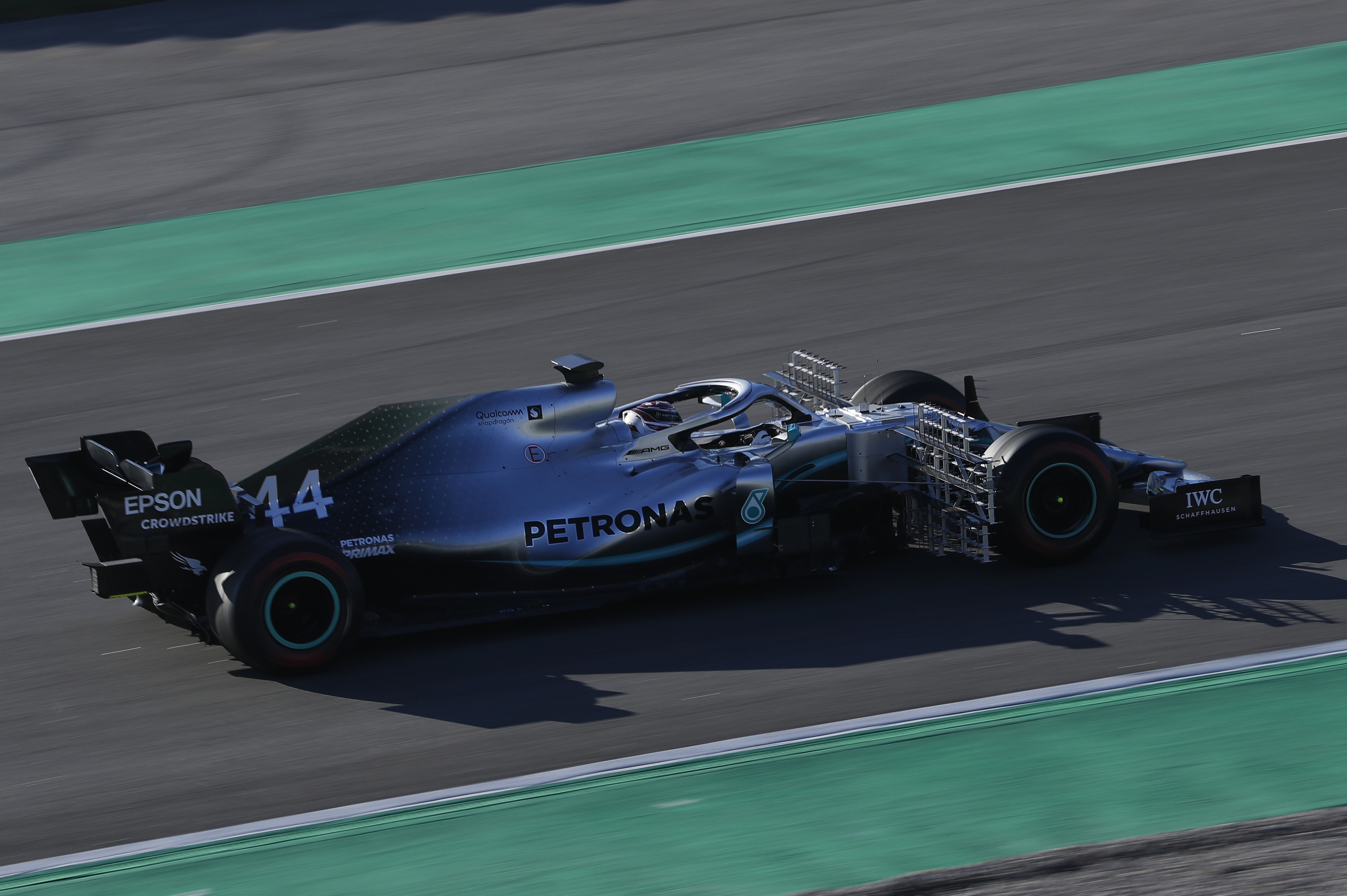
Every surface on a modern F1 car is a considered aerodynamic decision, from the front wing endplates to the exhaust exit.
Aerodynamics is the single most important performance discipline in modern Formula 1. The difference between the front and back of the grid is now measured in a handful of downforce counts, and every piece of bodywork on the car exists to help the airflow do more useful work. From Graham Hill's first tentative wings at Monaco 1968 to the ground-effect floors reintroduced in 2022, F1 aerodynamic design has been one of the sport's central arms races.
What does aerodynamics mean in Formula 1?
In F1, aerodynamics is the study and management of how air flows around and under the car, with two competing goals: generate downforce to push the tyres into the road and increase cornering speed, and minimise drag so the car can accelerate and reach a competitive top speed. Engineers spend a season chasing tiny improvements in the ratio between the two, because a car that produces more downforce for the same drag is faster everywhere.
The two forces that define F1 aerodynamics
Downforce
Downforce is a downward aerodynamic force generated when the car moves air over shaped surfaces, most importantly the front wing, rear wing and floor. Modern F1 cars can generate several times their own weight in downforce at high speed. That extra vertical load allows enormous lateral grip, which is why a Grand Prix car can carry corner speeds that would send a road car straight off the track.
Drag
Drag is the aerodynamic resistance the car meets as it pushes through the air. It rises with the square of speed, which is why straight-line performance is disproportionately sensitive to a car's drag figure. Every wing element, every duct and every bulge on an F1 car is a compromise: it generates some useful downforce or cooling flow while contributing some unavoidable drag.
A short history of F1 aerodynamics
1968: the first wings
Aerodynamics as a serious F1 discipline began at Monaco in May 1968, when Graham Hill's Lotus 49B ran a modest front wing and a small rear spoiler. Adjustable wings soon appeared, mounted directly to the suspension for maximum effect. A series of structural failures forced the FIA to move quickly, and by 1969 wings had to be integrated into the bodywork and remain stationary.
1977 to 1982: the ground-effect era
Colin Chapman's Lotus 78 introduced a new idea in 1977: sculpt the underside of the sidepods into inverted aerofoils to accelerate air beneath the car, creating a low-pressure zone that sucked the whole chassis onto the road. Its successor, the Lotus 79, dominated 1978. Rival teams followed with progressively more extreme skirted floors until cornering loads outran what human bodies and 1970s chassis technology could safely handle, and the FIA outlawed skirts and mandated flat bottoms for 1983.
1983 to 2021: wing-led aerodynamics
For nearly four decades F1 cars generated most of their downforce from a complex hierarchy of upper bodywork, front wing cascades, bargeboards, turning vanes and rear wing assemblies. The philosophy produced beautifully sculpted cars, but it also produced the sport's defining problem: the turbulent wake of a leading car destroyed the aerodynamics of the car behind, making close following extremely difficult and killing overtaking.
2022: the return of ground effect
The 2022 technical regulations reintroduced ground effect on FIA terms. Floors were reshaped as Venturi tunnels, the front wing was simplified, and bargeboards were banned. Around 60 per cent of a modern F1 car's downforce now comes from the floor rather than the wings, and the wake it leaves behind is designed to be far cleaner for the car following. Porpoising, an aerodynamic bouncing at high speed, emerged as the defining technical challenge of the first season under the new rules and forced ride-height adjustments across the field.
The main aerodynamic components of a modern F1 car
- Front wing: sets the balance of the car and the flow structure that everything downstream depends on;
- Floor and Venturi tunnels: the primary downforce source since 2022, generating grip with minimal drag penalty;
- Diffuser: the ramp at the rear of the floor that expands airflow back to ambient pressure and multiplies floor efficiency;
- Rear wing: adds downforce and, until 2025, hosted the DRS actuator;
- Sidepods and inlets: route cooling air while guiding external flow toward the diffuser;
- Beam wing: a lower rear wing element that couples the rear wing and diffuser flows.
Why aerodynamics decides the championship
Because tyres, engines and gearbox ratios are more tightly standardised than ever, aerodynamics is where teams have the most freedom and therefore the most performance to unlock. A single tenth of downforce efficiency across a lap can be the difference between pole and P5. Wind-tunnel time is capped per team by the Aerodynamic Testing Regulations, and CFD runs are budget-limited, which forces engineers to prioritise ruthlessly. The teams that fill their test schedule with the highest-value experiments consistently gain the most performance across a season.
Latest aerodynamics news

Three teams prepare 'Macarena' wings for Hungary
1
McLaren shelves 'Macarena' wing debut after failed tests
1
Back in 1978: Lauda Wins at Sweden With the 'Fan

Ferrari's exhaust trick triggers grid-wide 2026 copy war
1
Alpine's Bold Strategy: Embracing New F1 Aero Challenges
2
How Formula 1 Reinvented Aerodynamics

2026 F1 Regulations Dissected: A Bold New Era for Formula

Becoming a Formula 1 Aerodynamicist with Aston Martin

Red Bull Threatens F1 Rivals With New Flexible Front Wing
Frequently asked questions about F1 aerodynamics
When did aerodynamics start in Formula 1?
Formal aerodynamic development began at Monaco in May 1968, when Graham Hill's Lotus 49B ran a small front wing and rear spoiler. Adjustable suspension-mounted wings followed but were banned in 1969 after several structural failures.
What is ground effect in F1?
Ground effect is downforce generated by shaping the underside of the car as an inverted aerofoil, accelerating airflow beneath the chassis to create a low-pressure zone that sucks the car to the road. Lotus pioneered it in 1977 and the 2022 regulations reintroduced it.
Where does most of the downforce on a modern F1 car come from?
On 2022-onwards F1 cars, roughly 60 per cent of the downforce comes from the floor and its Venturi tunnels rather than from the front and rear wings. Before 2022 the wings and upper bodywork were the dominant source.
What is dirty air in F1?
Dirty air is the turbulent wake shed by a leading car. It disturbs the aerodynamic surfaces of any car close behind, reducing their downforce and making close following difficult. The 2022 regulations were designed specifically to leave a cleaner wake and improve overtaking.
What is porpoising?
Porpoising is a high-speed vertical oscillation of a ground-effect car caused when downforce stalls as the floor gets too close to the road, releases, and the car rebounds. It defined the 2022 season and forced teams to raise ride heights and stiffen floors to control the effect.
How is aerodynamic development regulated?
The FIA limits both wind-tunnel time and CFD runs through the Aerodynamic Testing Regulations, which are pegged to championship position so that better-placed teams get less test time. Costs are also constrained by the Financial Regulations.
Last updated: